Art, Energy and Imagination
Celebrating 20 Years of Creative Power at Regen
A publication exploring two decades of creative practice at the intersection of energy, culture and public engagement.
Overview
In 2026, I led the development of Art, Energy and Imagination: Celebrating 20 Years of Creative Power at Regen - a publication reflecting on two decades of experimentation, collaboration and learning between artists, communities and energy practitioners.
The publication explores a central question that has shaped much of my work:
“What role might creativity play in helping people engage with the energy transition?”
Drawing together reflections, case studies and conversations from across twenty years of work, the publication examines how artistic practice can support participation, imagination, emotional connection and public engagement during times of social and ecological transition.
Why this work mattered
Reflections
For many years, conversations about energy transition have been dominated by technology, infrastructure and policy.
While these are essential, I have long believed that transition is also cultural.
People do not live through change as policy documents. They live through stories, relationships, emotions, habits, values and shared experiences.
This publication sought to make visible a body of work that explored those dimensions, asking how creativity might help people:
feel agency within large-scale change
connect emotionally with energy and climate issues
imagine different futures
participate more actively in transition
remain connected to joy, curiosity and collective possibility
The publication also explored the importance of creativity within organisations and movements themselves, not simply as communication, but as a way of strengthening reflection, participation, trust and collaboration.
Themes explored in the publication
What the publication included
Art and the energy transition
Creativity as cultural infrastructure
Participation and collective agency
Climate engagement beyond information campaigns
Imagination and systems change
Creativity and resilience in times of uncertainty
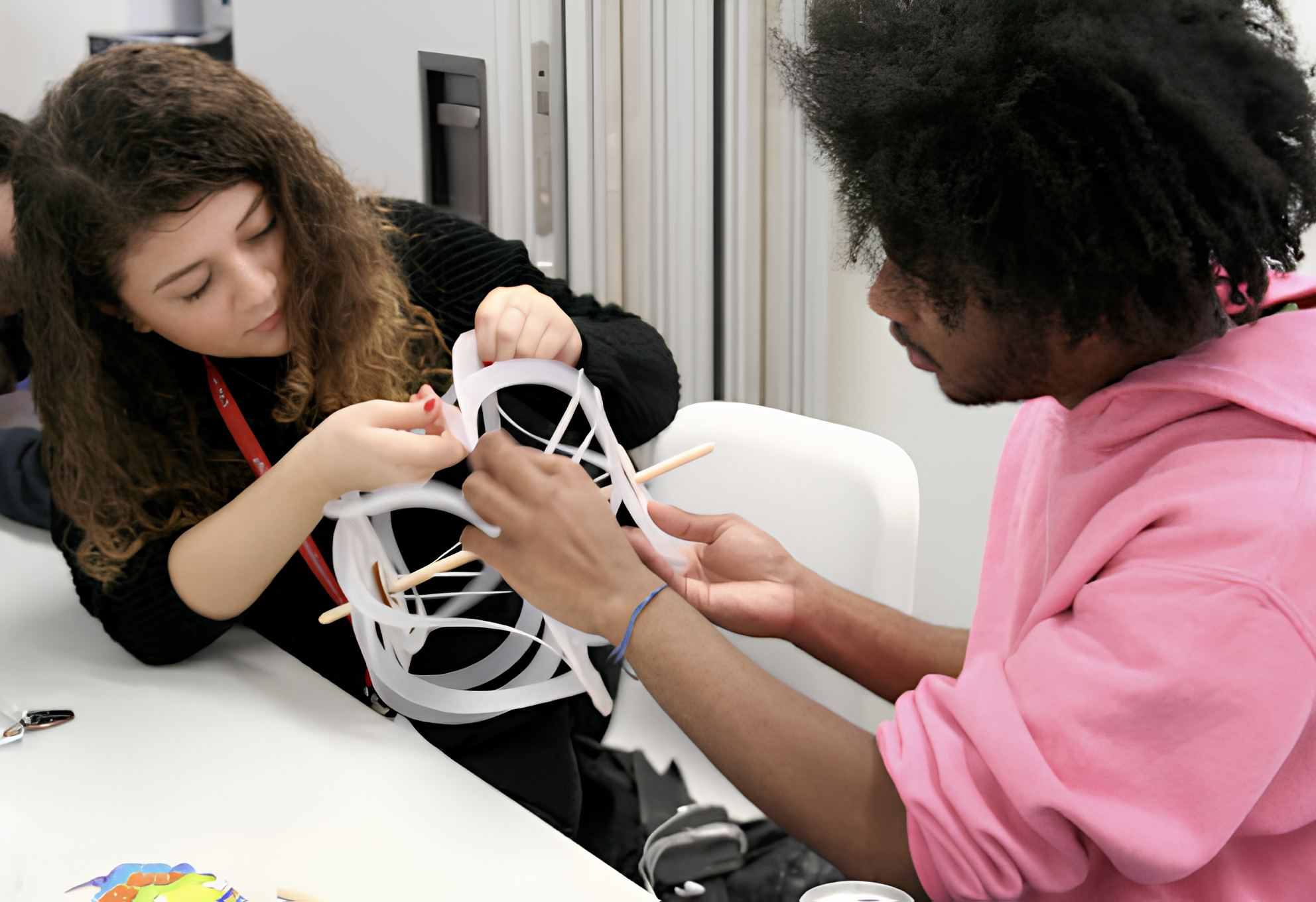
Cross-sector collaboration between artists and energy practitioners
The emotional and cultural dimensions of climate transition
The publication brought together:
reflections from artists and collaborators
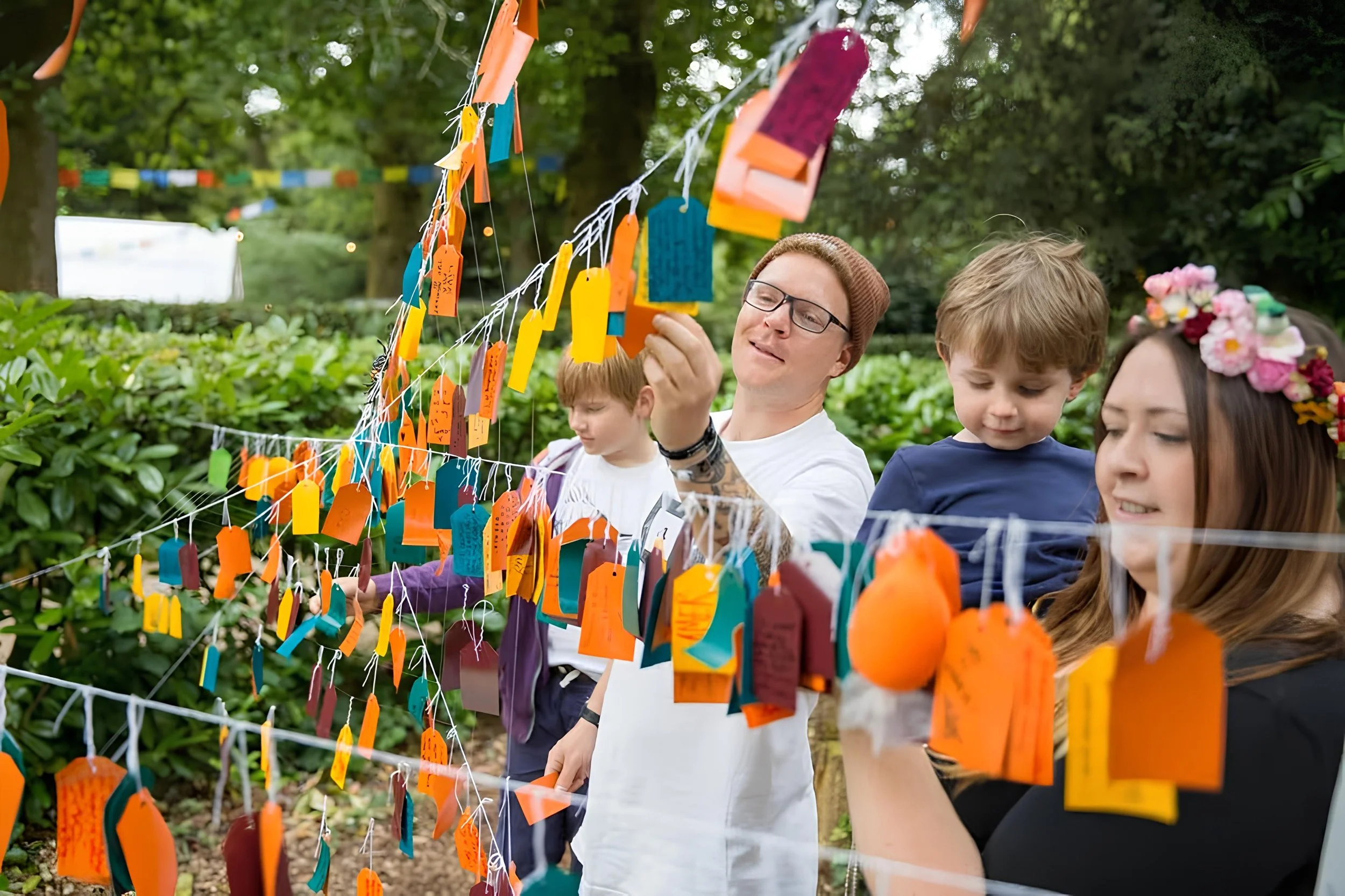
case studies from participatory art and energy projects
documentation of cross-sector collaborations
learning from organisational experimentation
reflections on creativity, imagination and transition
future-thinking around culture and community energy
It also explored the challenges of working across sectors with very different languages, values and expectations, and what becomes possible when those boundaries begin to soften.
One of the strongest lessons to emerge from this work was that creativity is not an optional extra in times of transition.
Creative practice can help people process uncertainty, build relationships, rehearse alternative futures and remain emotionally connected in the face of complexity and change.
At a time when many people are experiencing eco-anxiety, fragmentation and disconnection, spaces for participation, imagination and collective meaning-making may become increasingly important.