How to Bury the Giant
A participatory art and ecology programme exploring restoration, climate transition and collective imagination
Developed through The Art and Energy Collective
Overview
Mosses, peatlands and creative restoration
Many ways in
How to Bury the Giant was a long-term creative programme developed through The Art and Energy Collective exploring how art, participation and collective imagination might help people engage more deeply with ecological restoration, climate transition and cultural change.
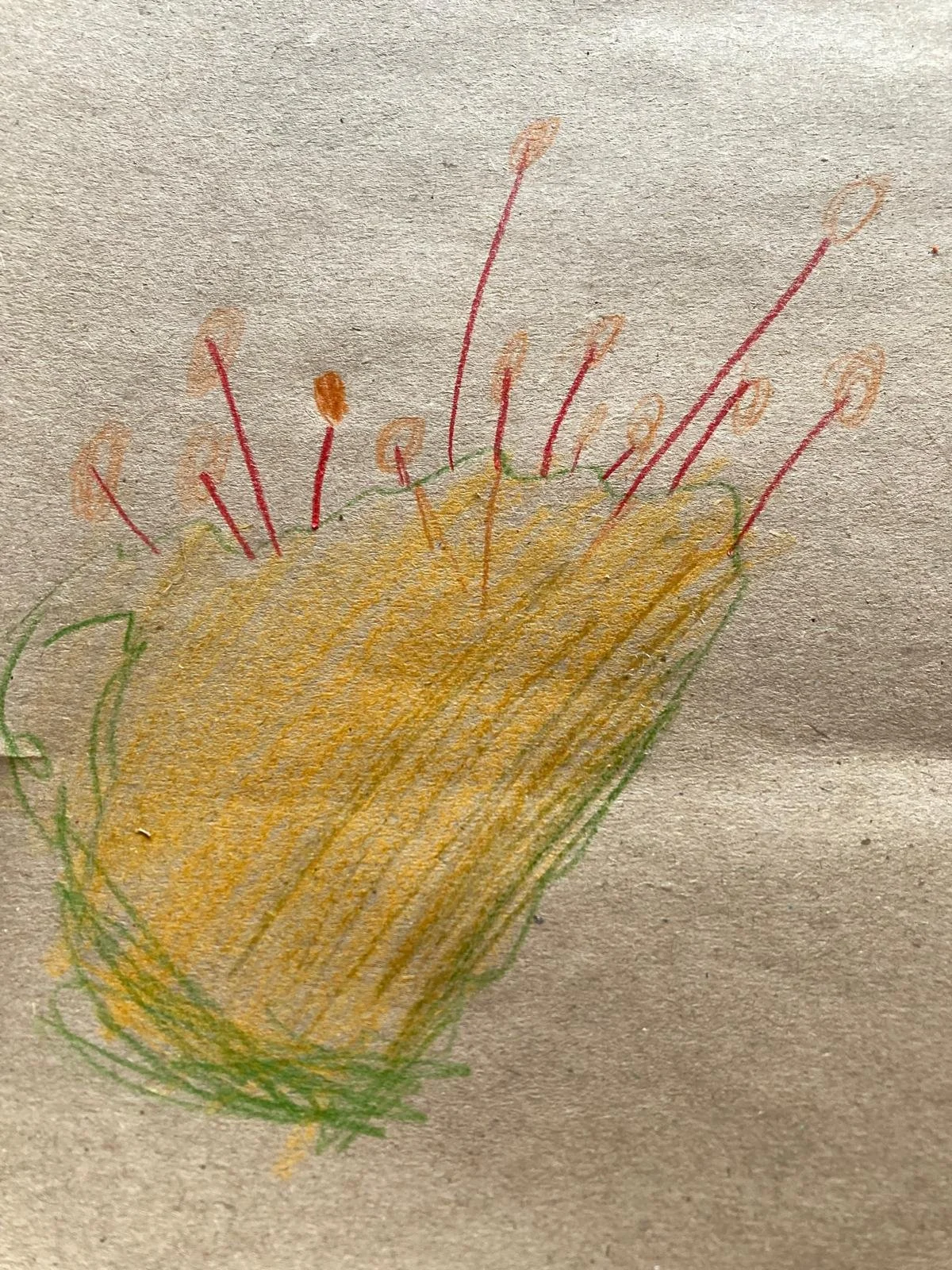
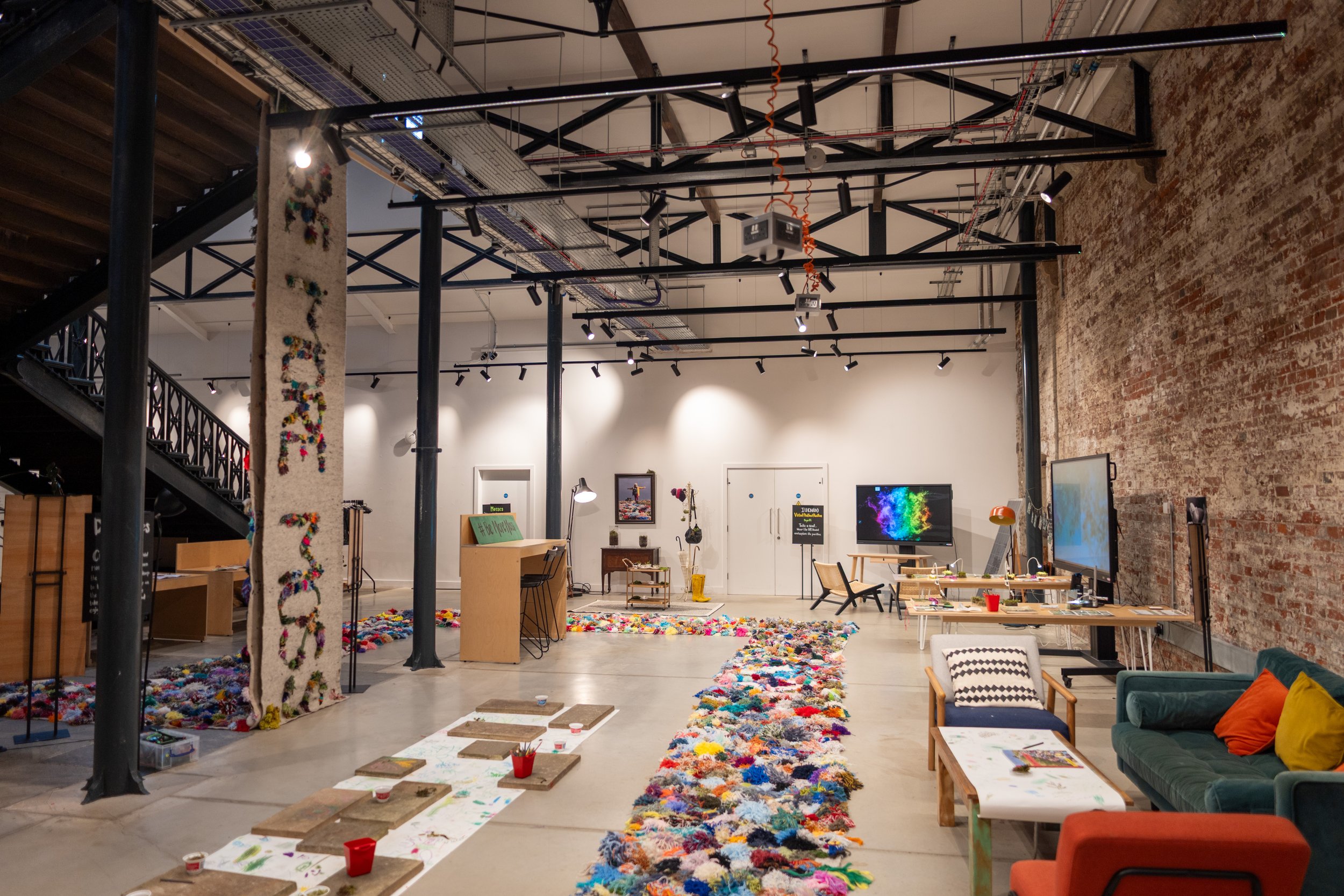
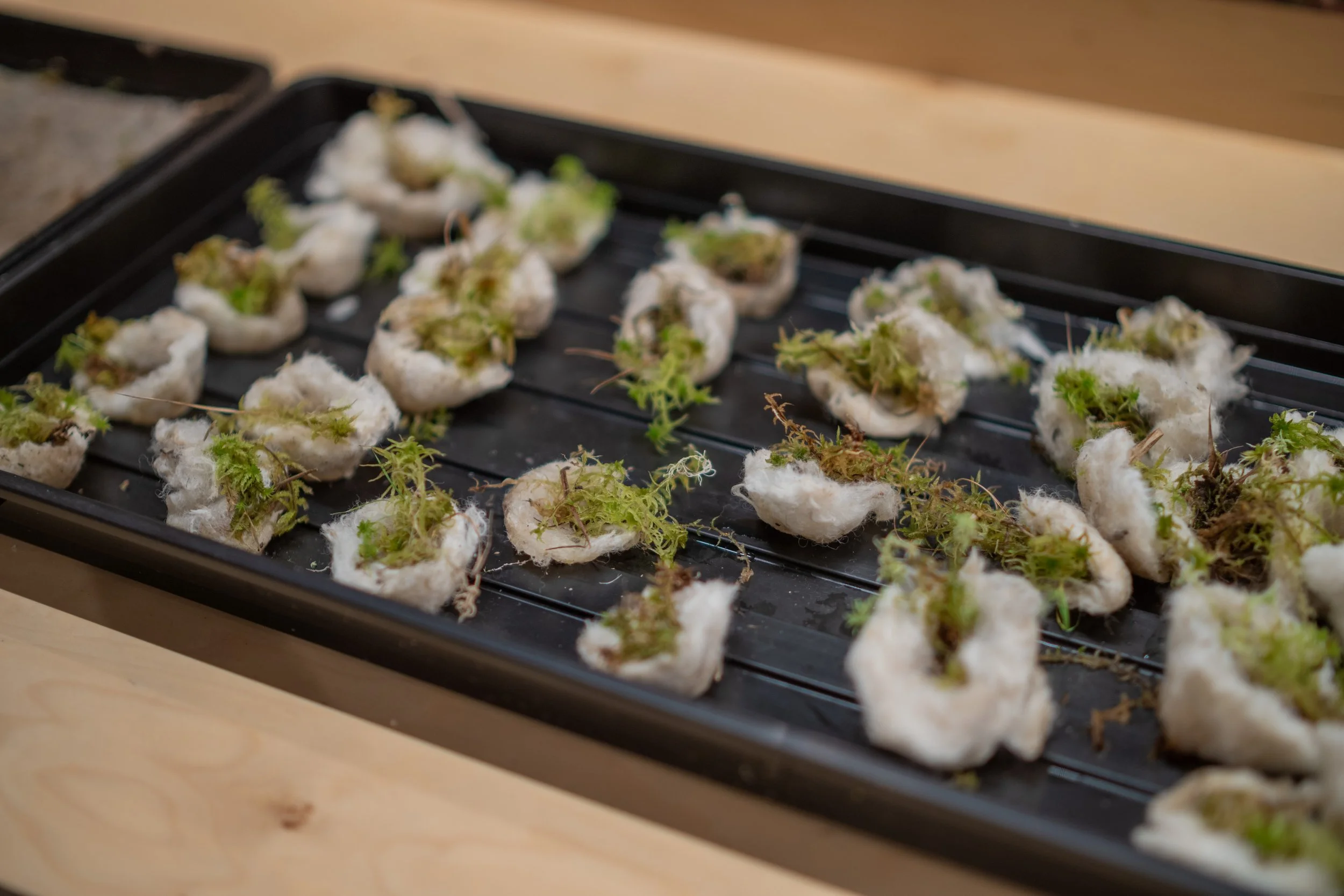
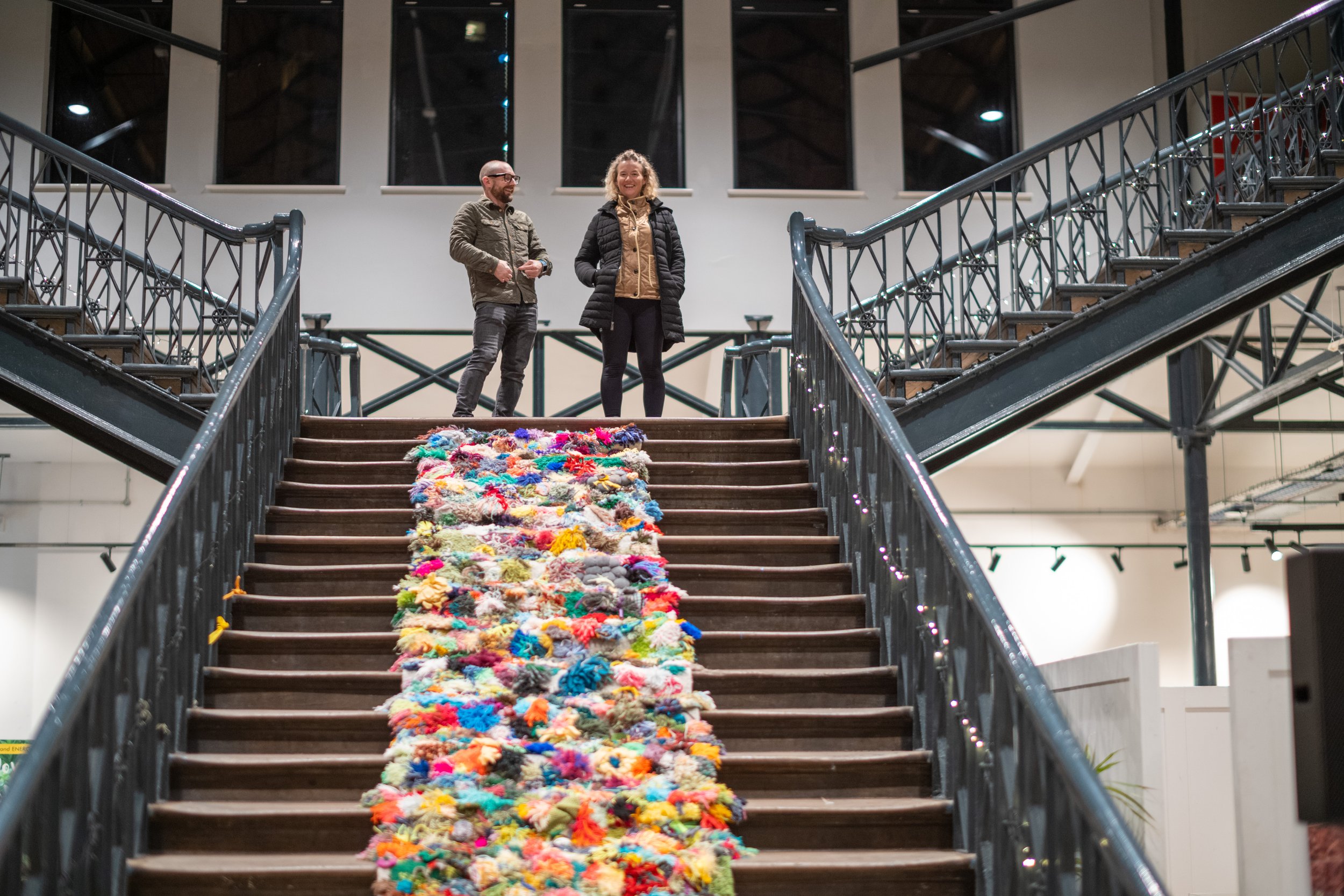
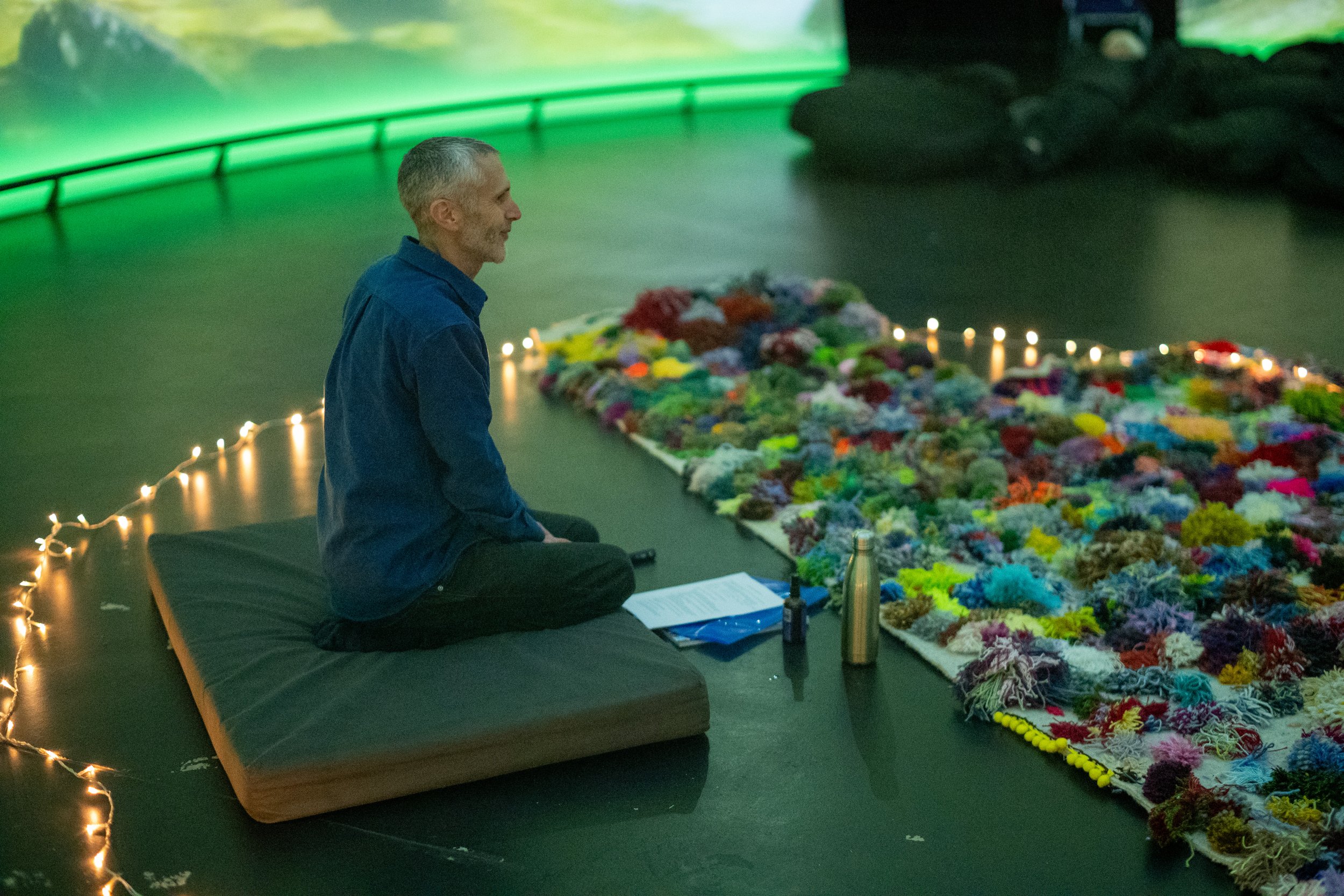
At the heart of the programme was The Mossy Carpet — a large-scale participatory artwork inspired by mosses, peatlands and the slow processes of ecological restoration.
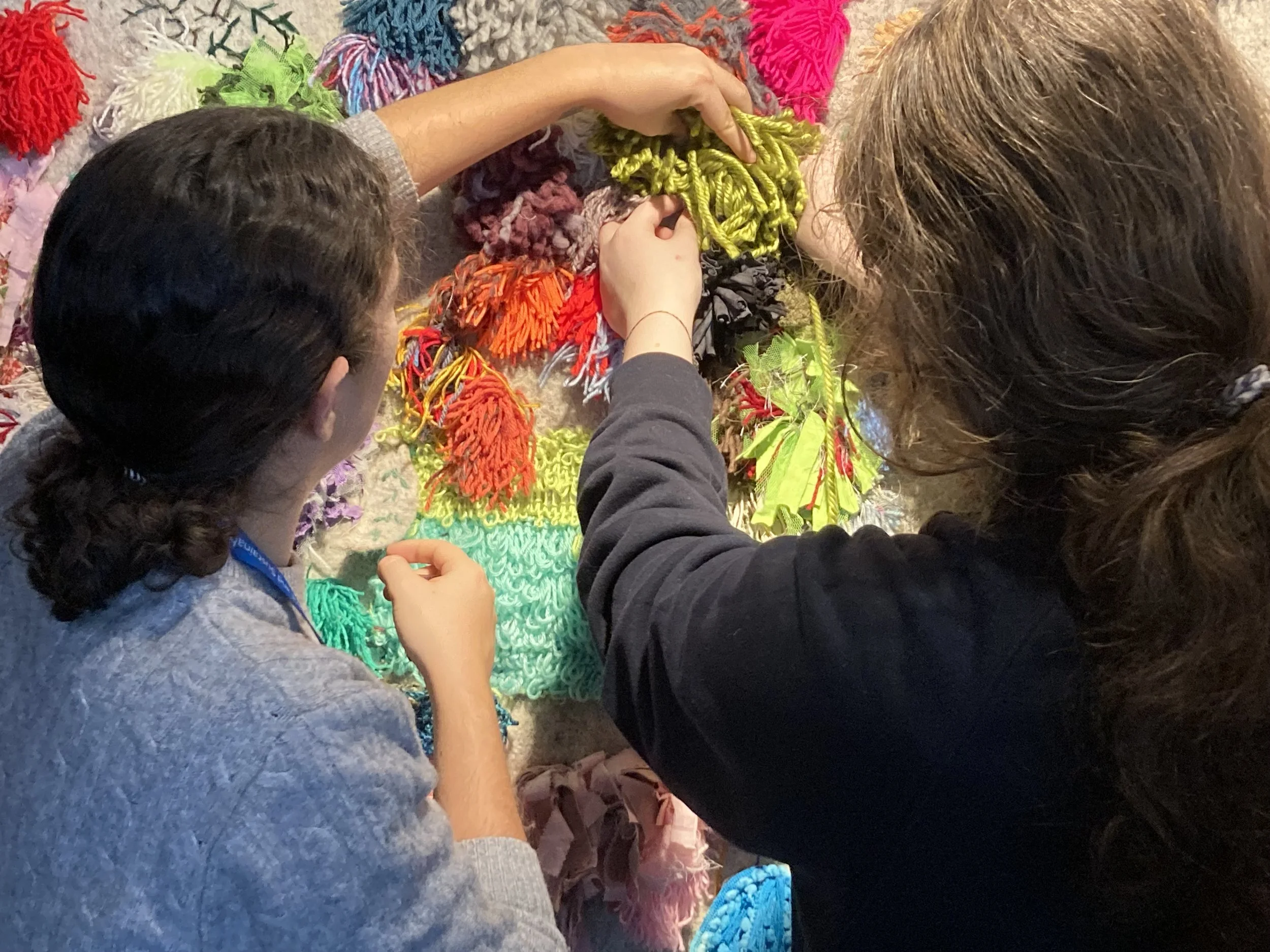
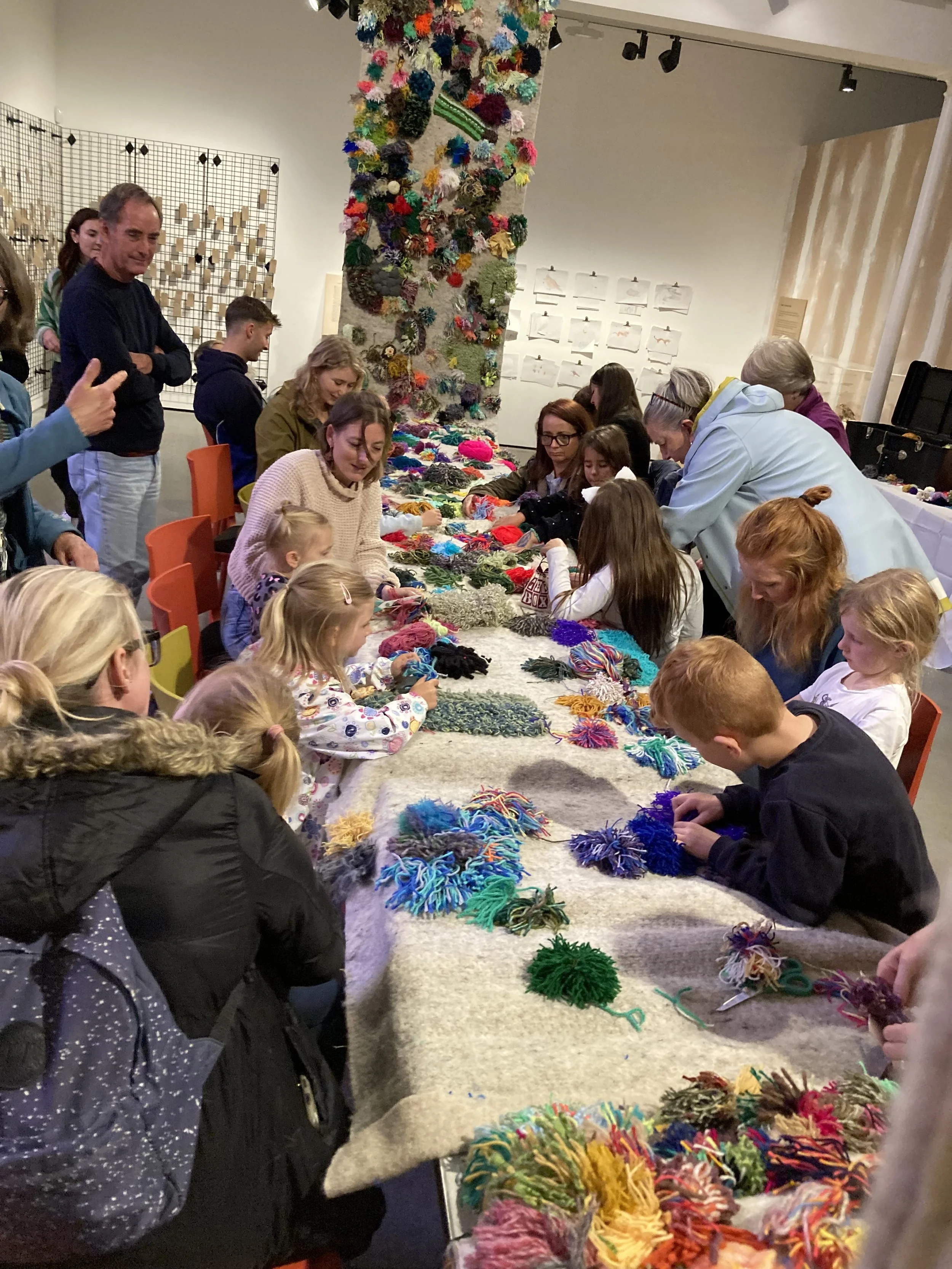
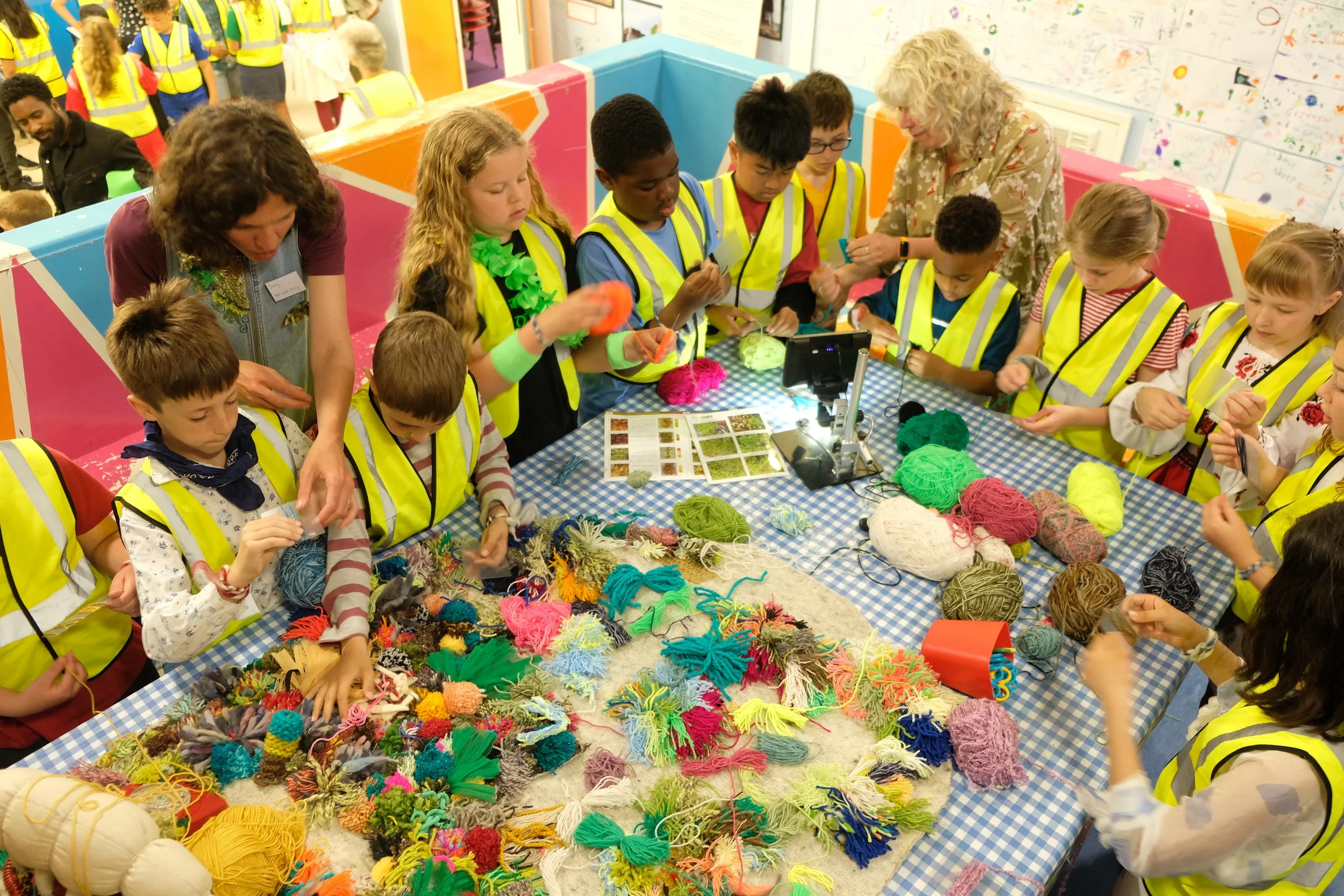
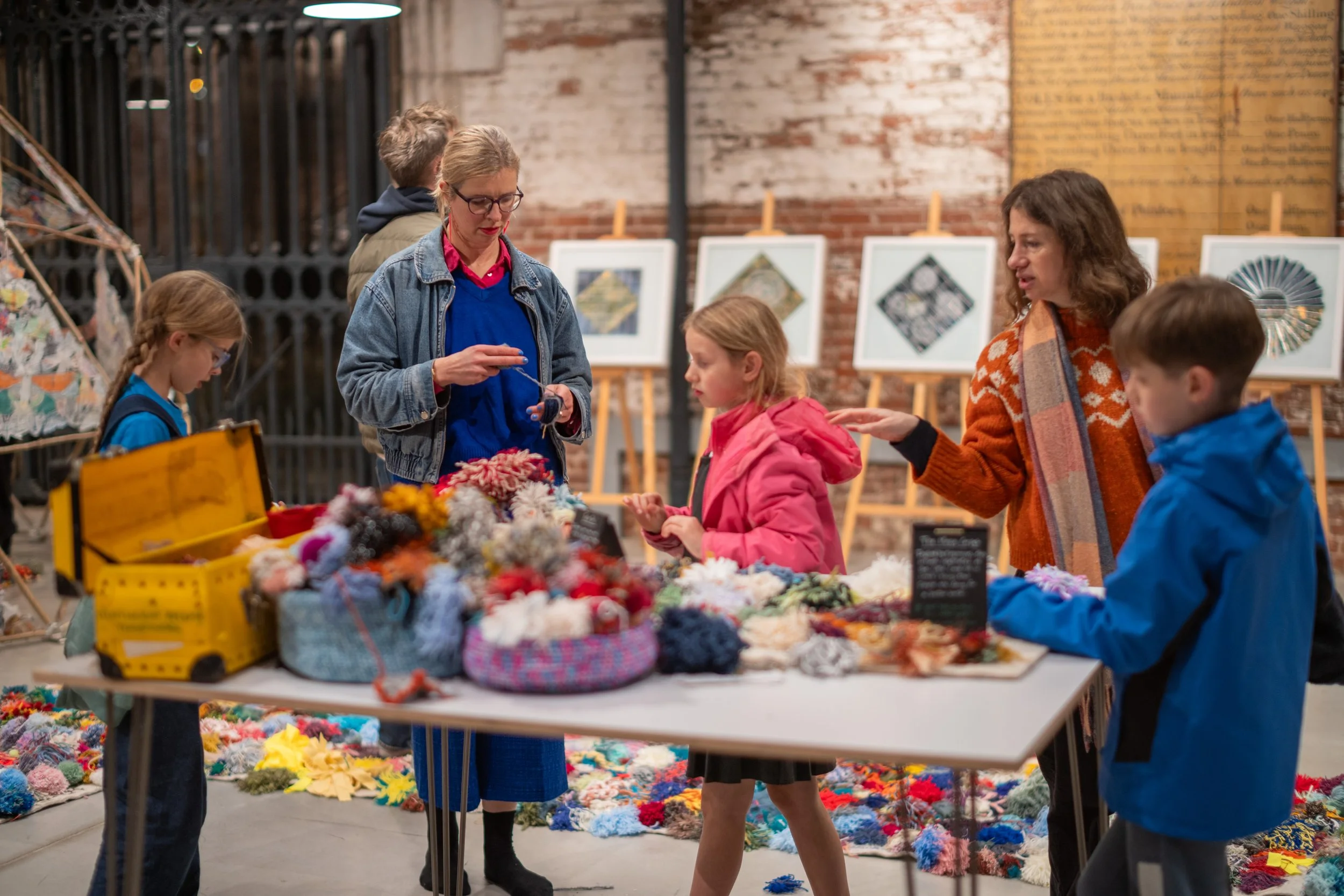
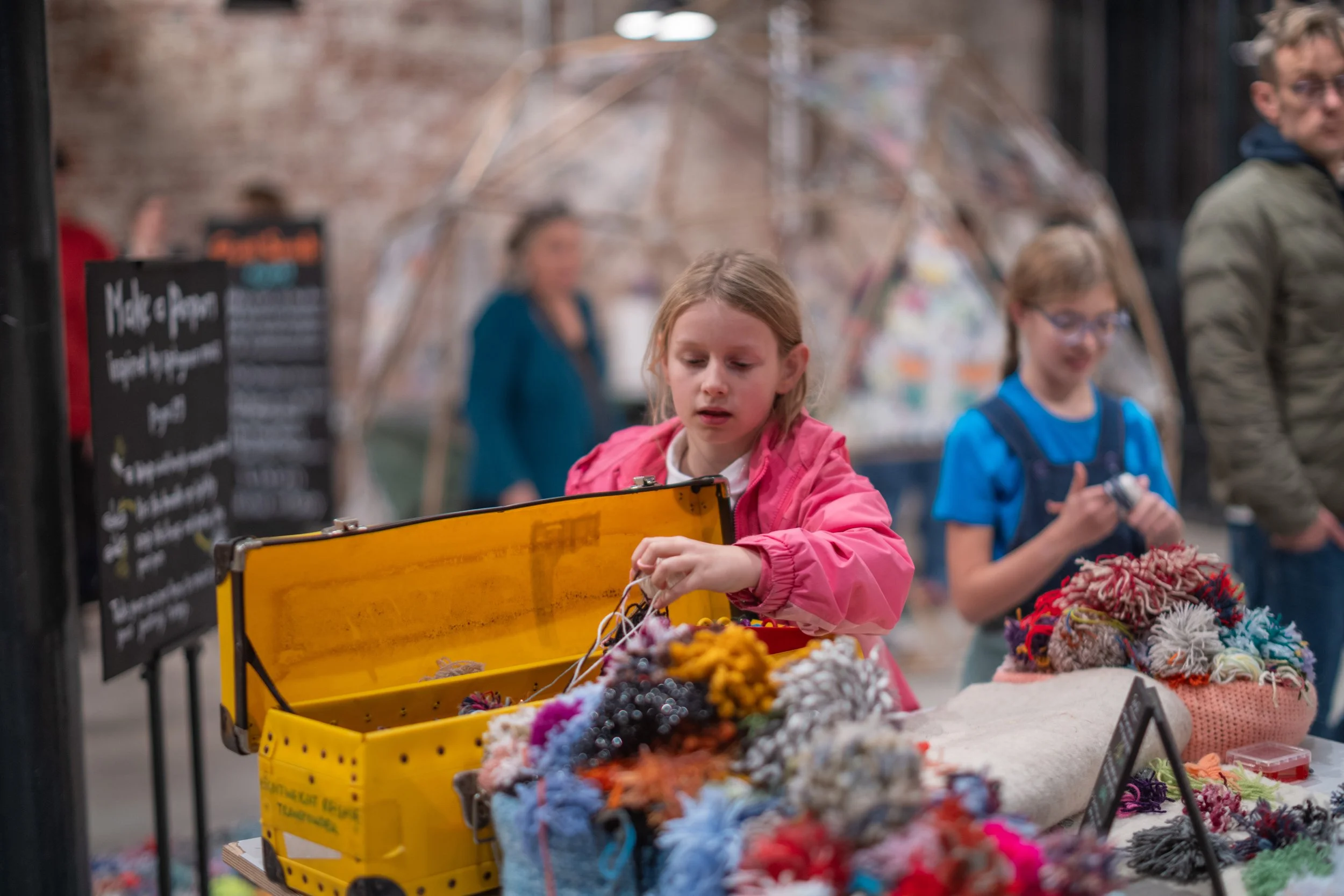
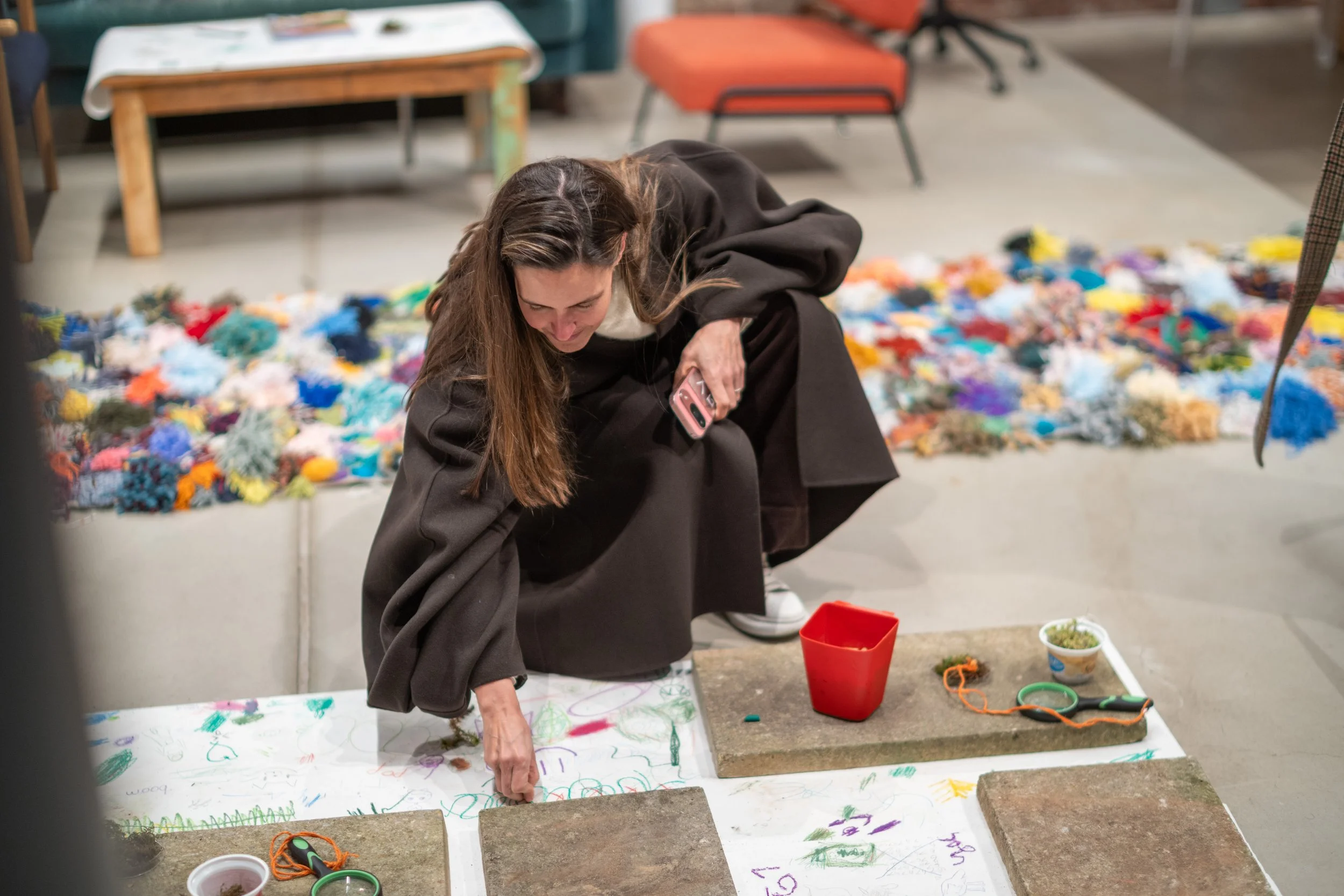
Developed over eight years through workshops, festivals, exhibitions, public installations, publications and collaborative events, the project invited people to contribute handmade moss forms into an evolving collective artwork that grew over time through many small acts of participation.
Like peatlands themselves, the work was built through accumulation.
Small gestures gathered into larger ecosystems.
Individual contributions became collective landscapes.
The project explored how creativity might help people connect emotionally and imaginatively with climate and ecological questions that can often feel distant, technical or overwhelming.
A central inspiration for the project came from peatlands and moss ecosystems.
Peatlands are among the world’s most important carbon stores, quietly holding vast amounts of carbon while supporting biodiversity, water systems and ecological resilience. Yet they are also fragile and deeply damaged environments shaped by extraction and ecological loss.
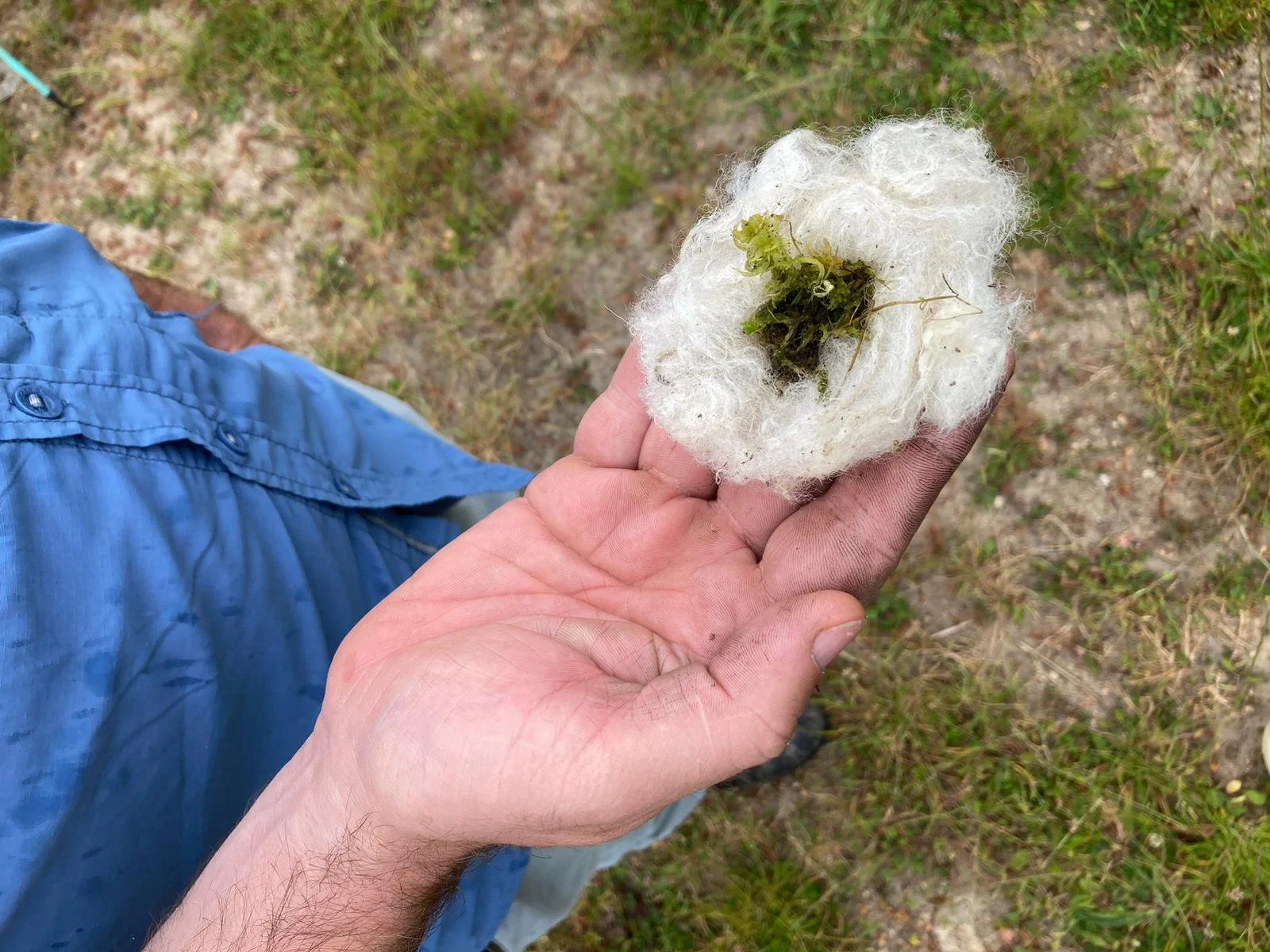
Within The Mossy Carpet, mosses became both material and metaphor.
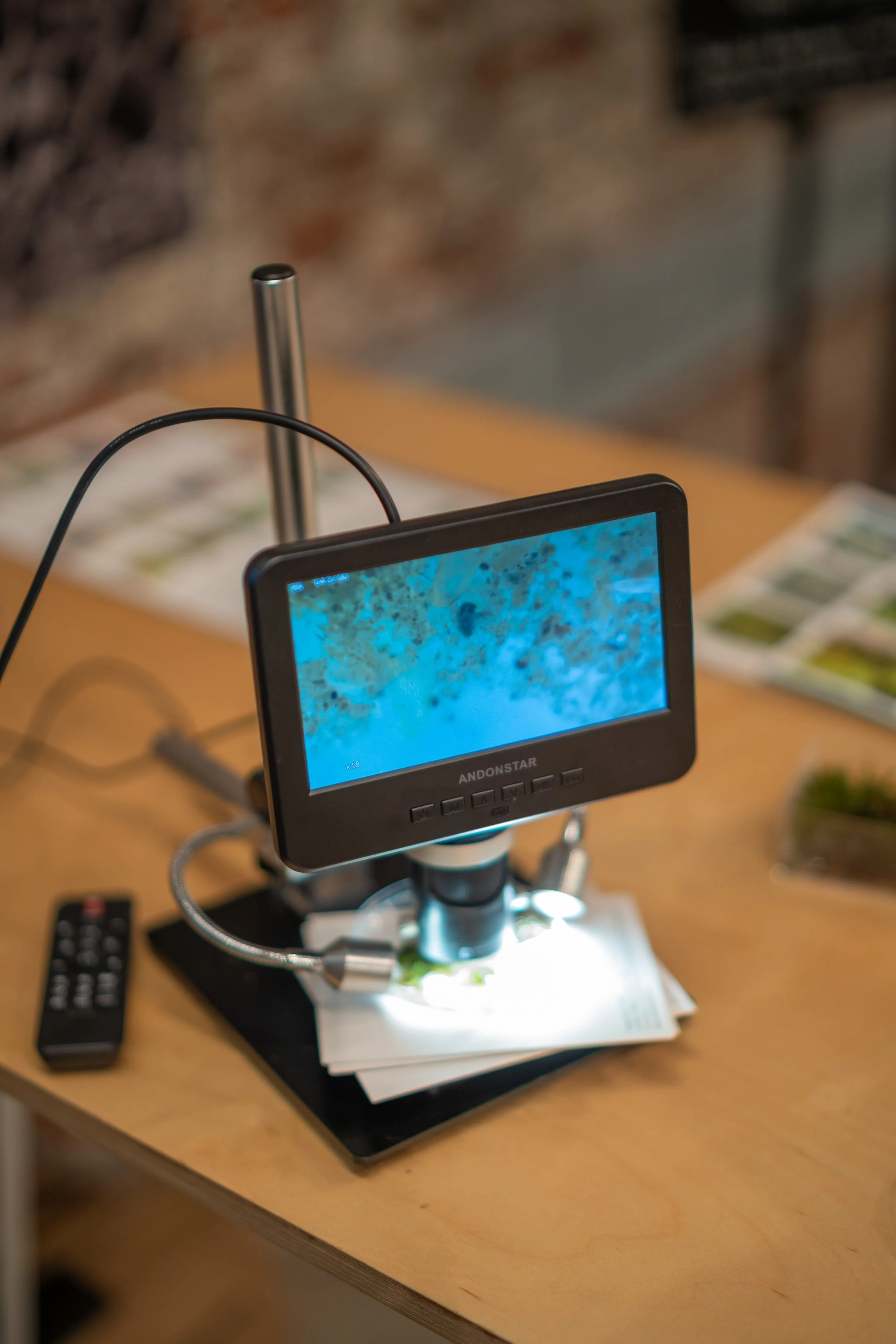
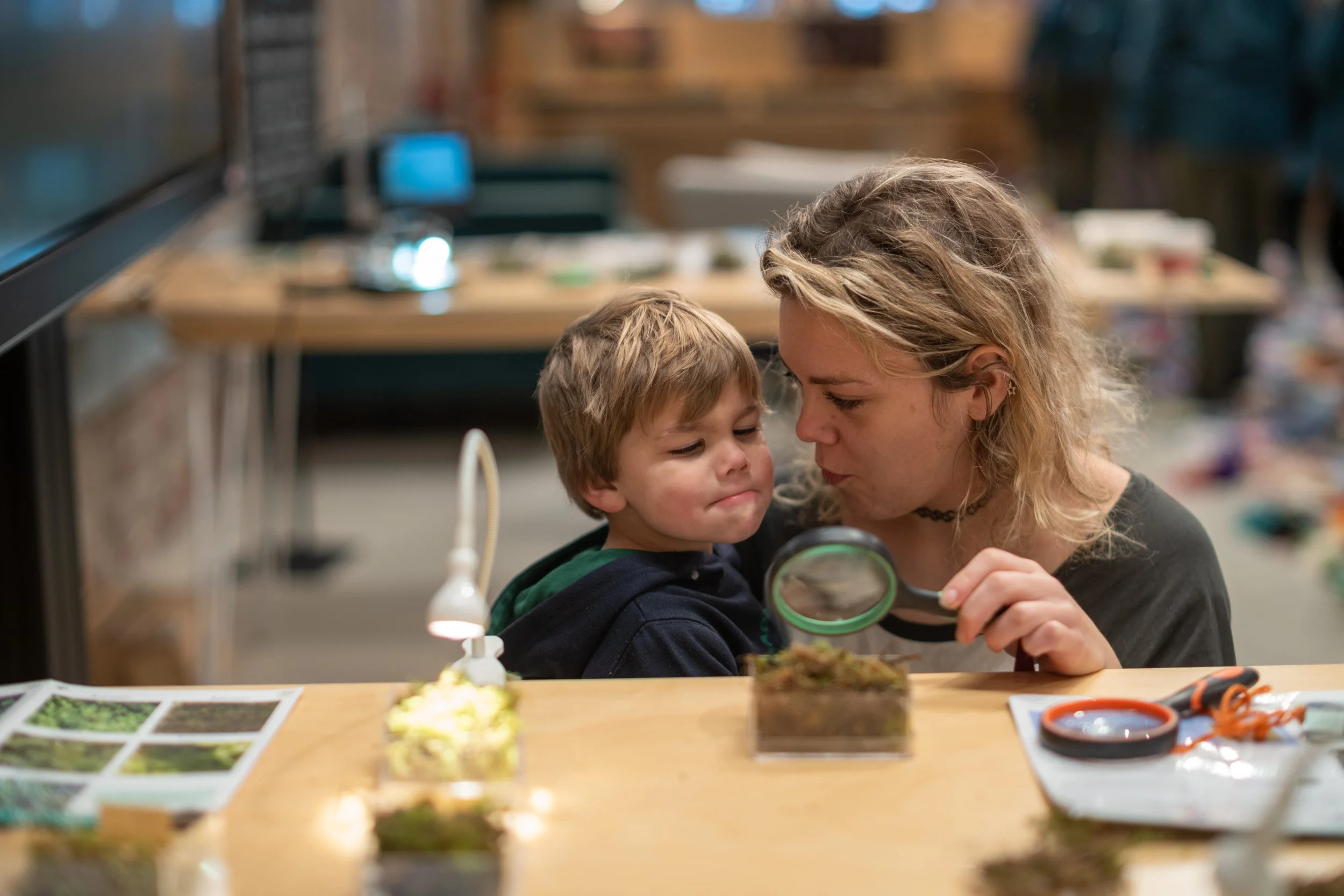
Often overlooked, mosses work slowly and collectively. They retain water, nurture ecosystems, build soil and contribute to long-term carbon storage through the gradual formation of peat.
The project drew on these qualities to explore questions around restoration, resilience, interdependence and collective care.
It asked:
What might mosses teach us about how we live through times of ecological breakdown and renewal?
The work explored how meaningful change often happens through many small interconnected actions rather than singular heroic gestures.
Festivals, workshops and participation
A core principle of How to Bury the Giant was designing “many ways in”.
Climate and ecological crises can generate fear, paralysis and disconnection. Different people engage through different experiences: making, storytelling, conversation, science, beauty, humour, participation, reflection or shared acts of creativity.
Rather than assuming a single route into engagement, the programme sought to create multiple points of connection through participatory artworks, workshops, installations, conversations and public experiences.
People encountered the work through:
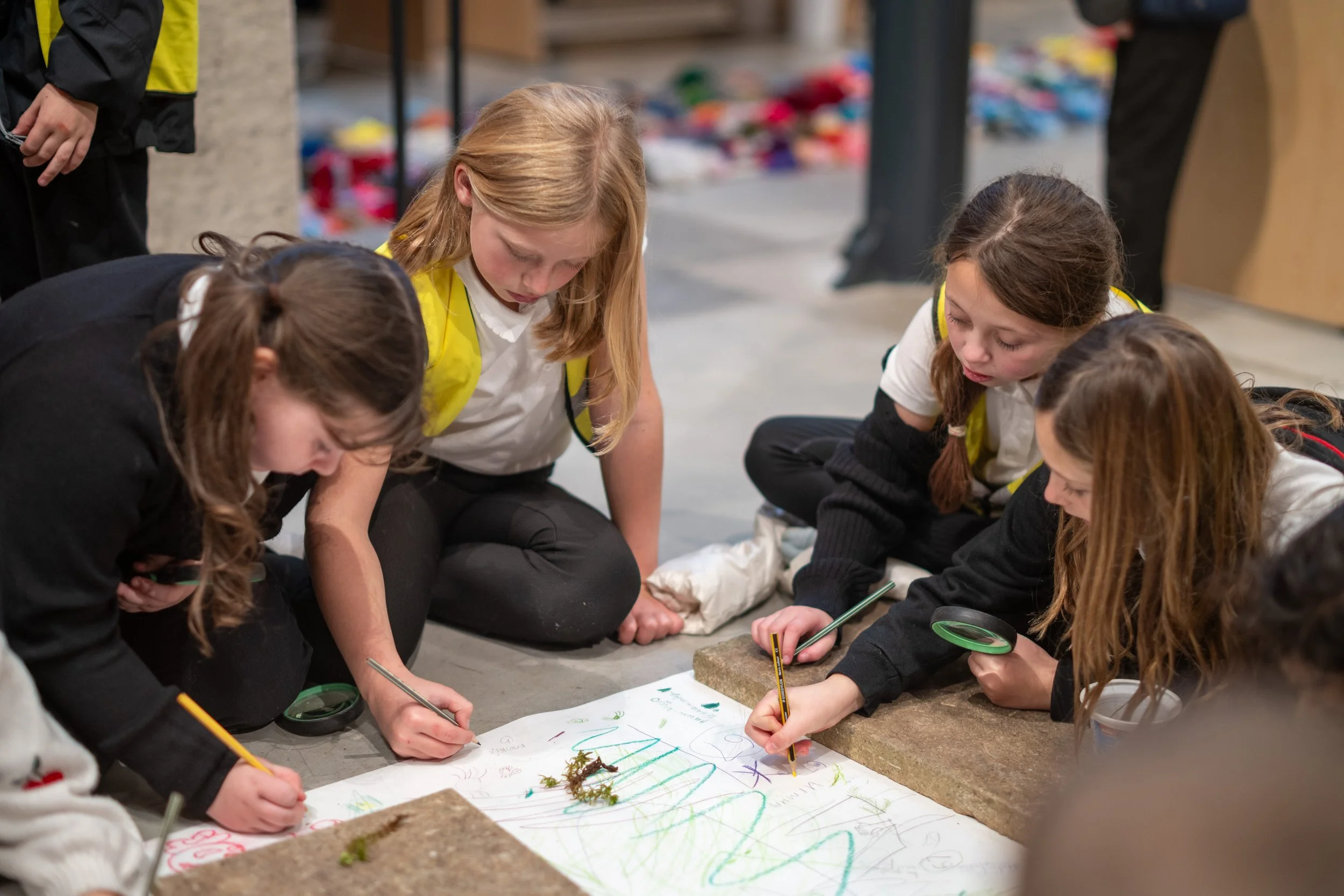
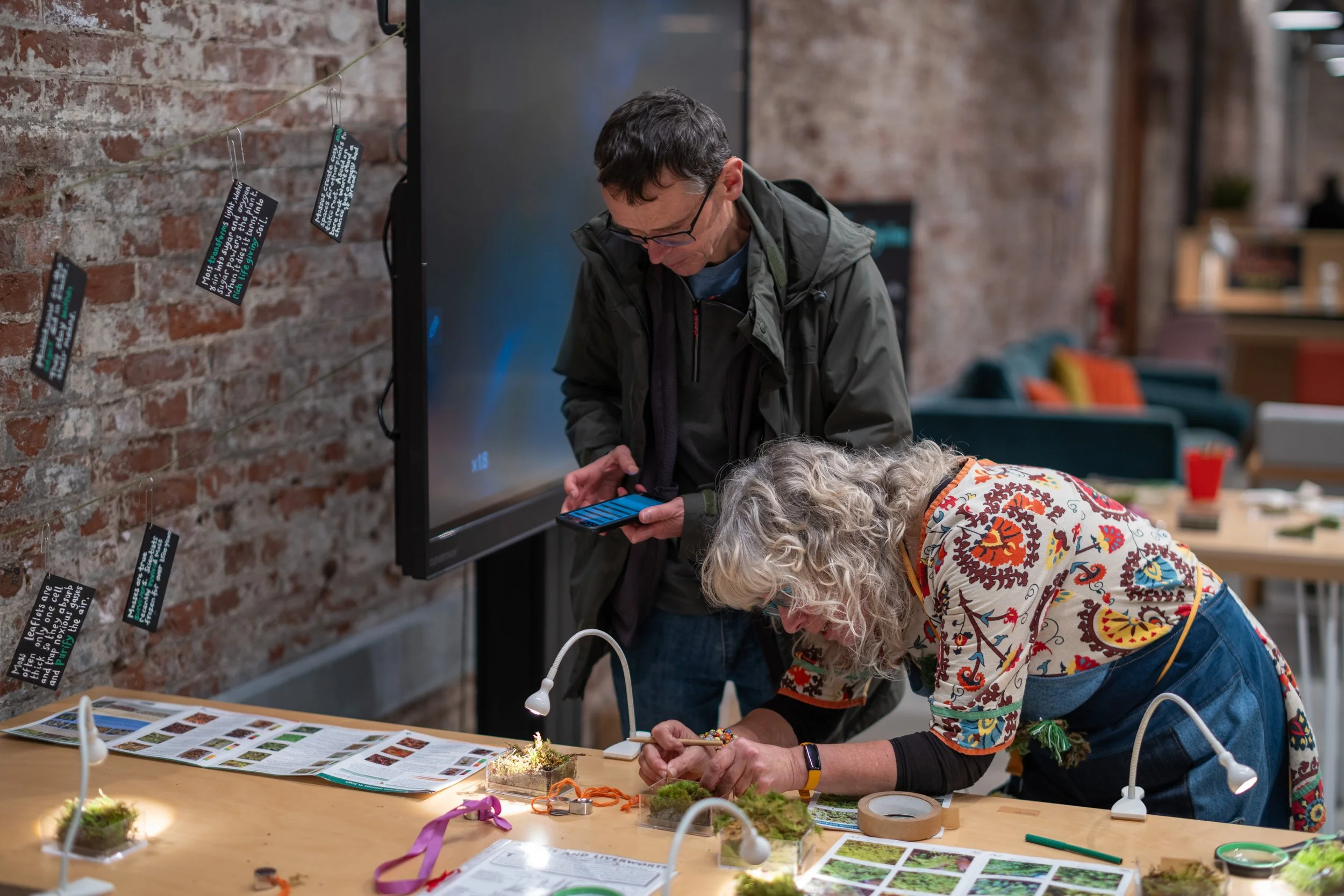
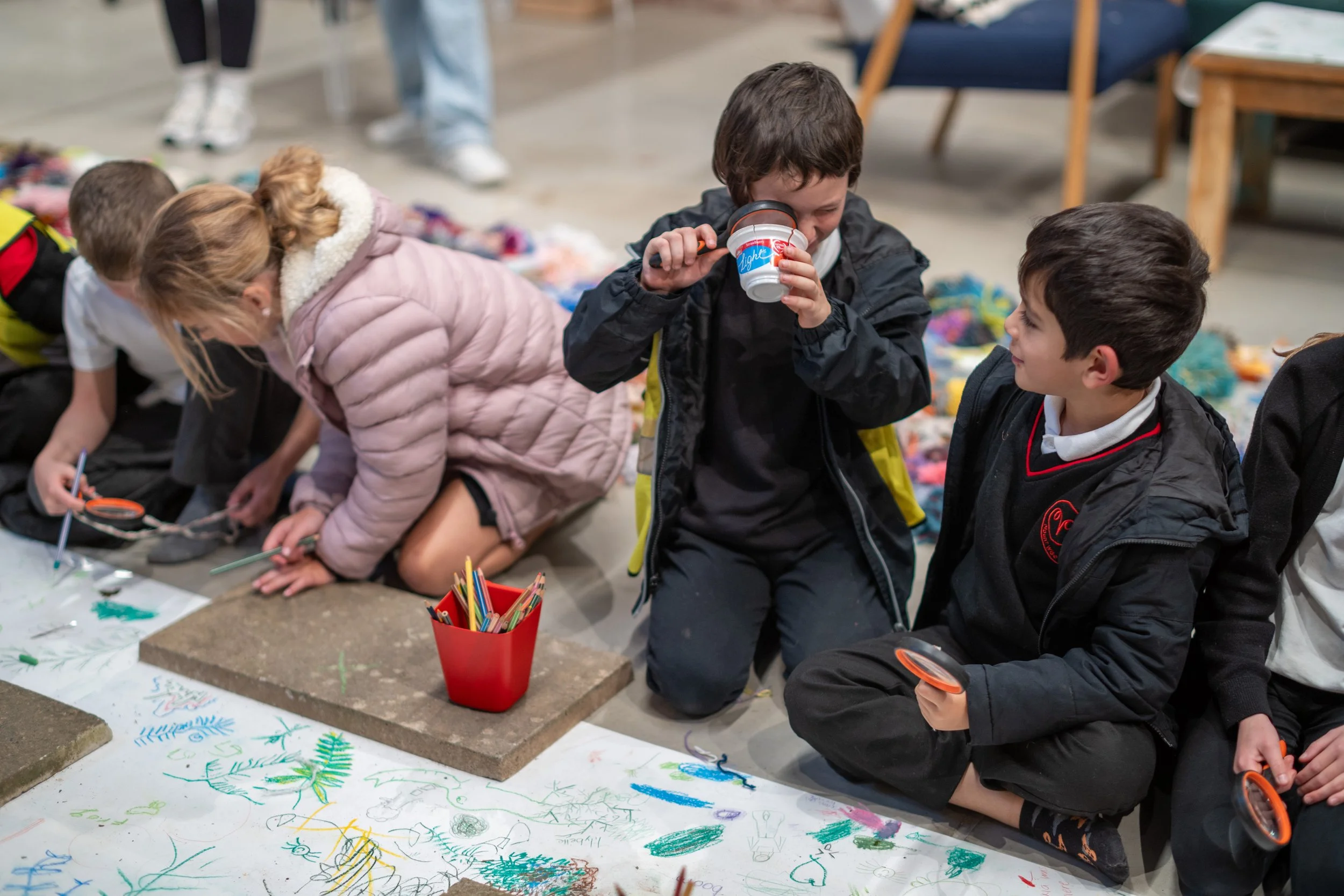
collective making workshops
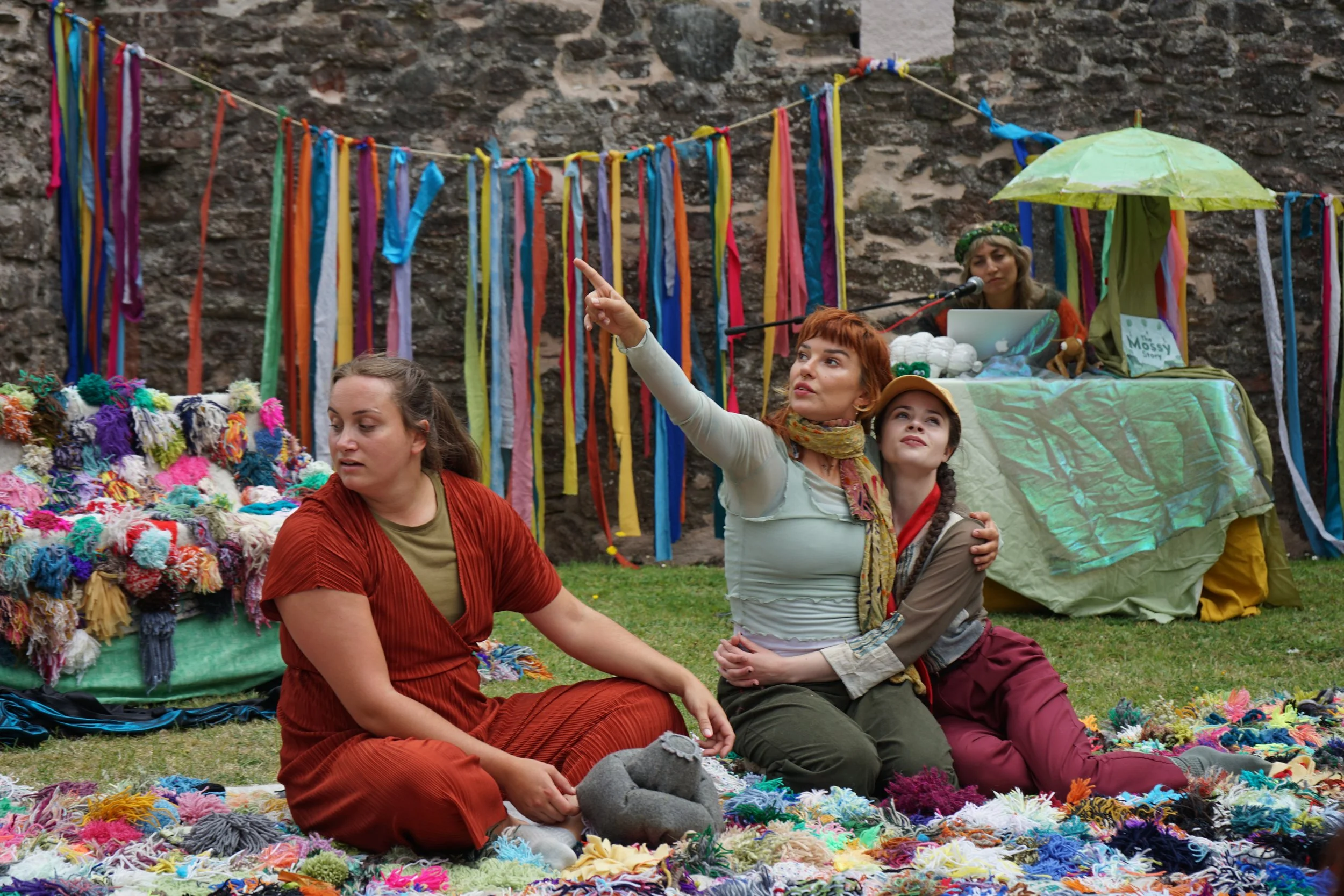
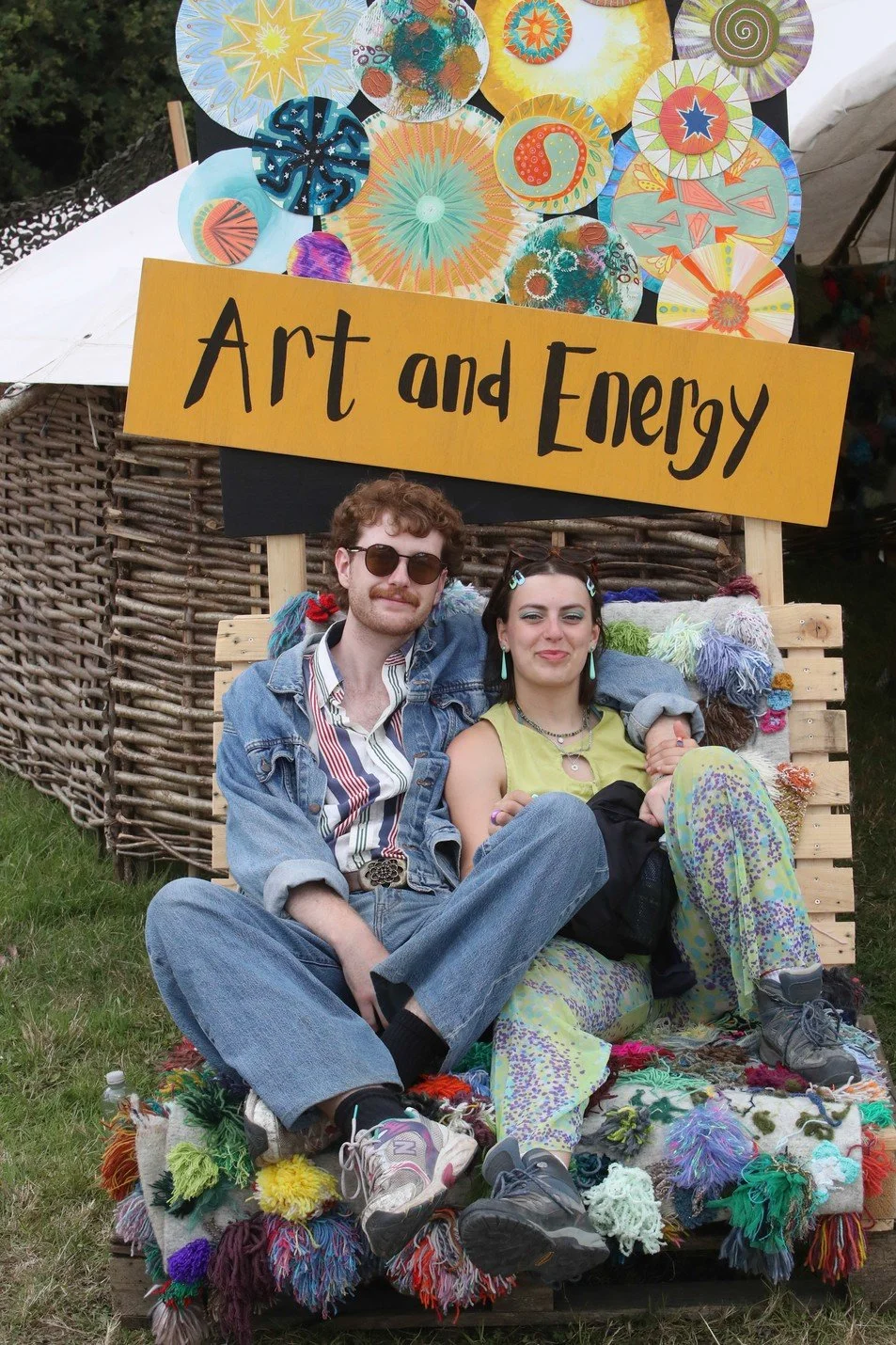
festival installations
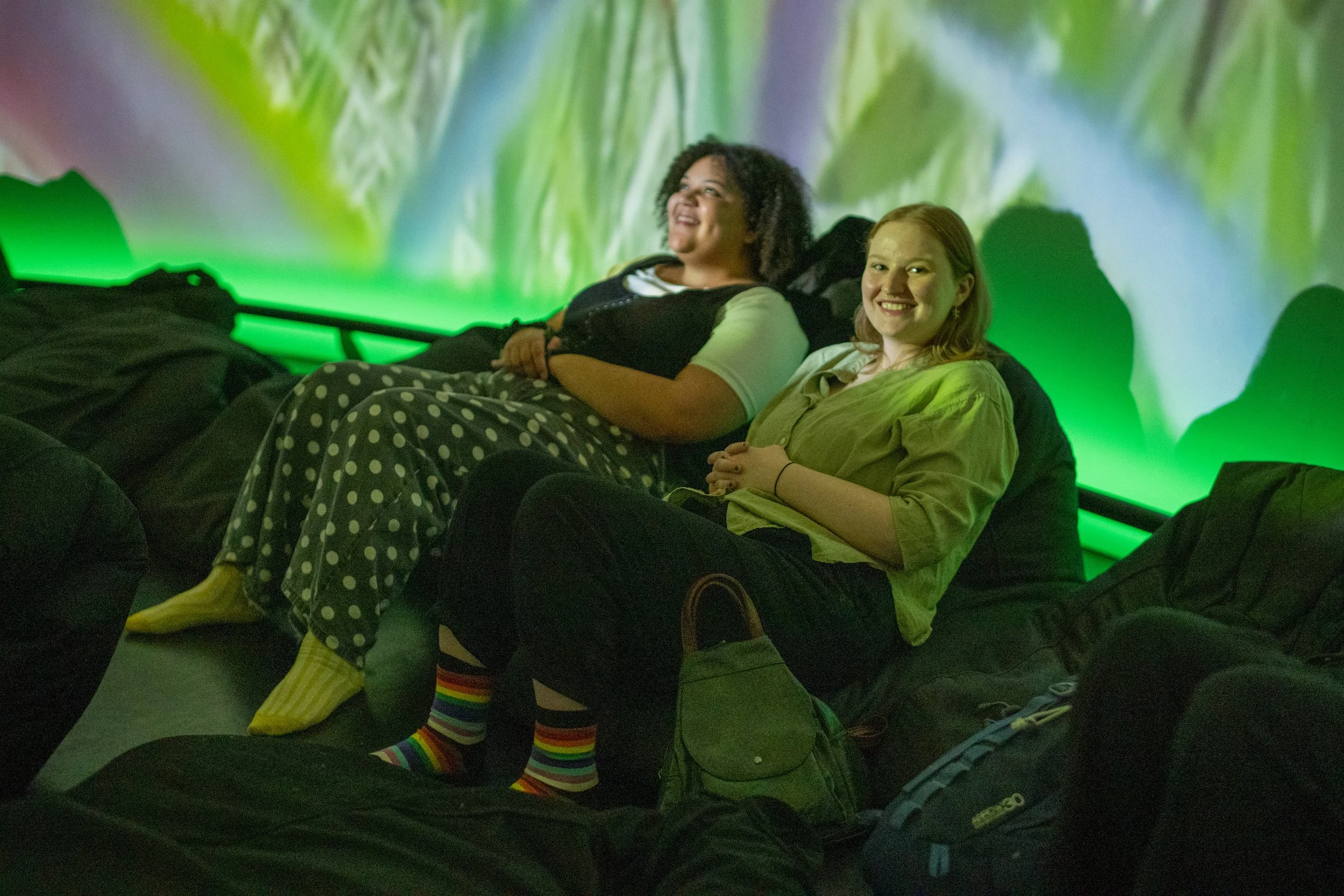
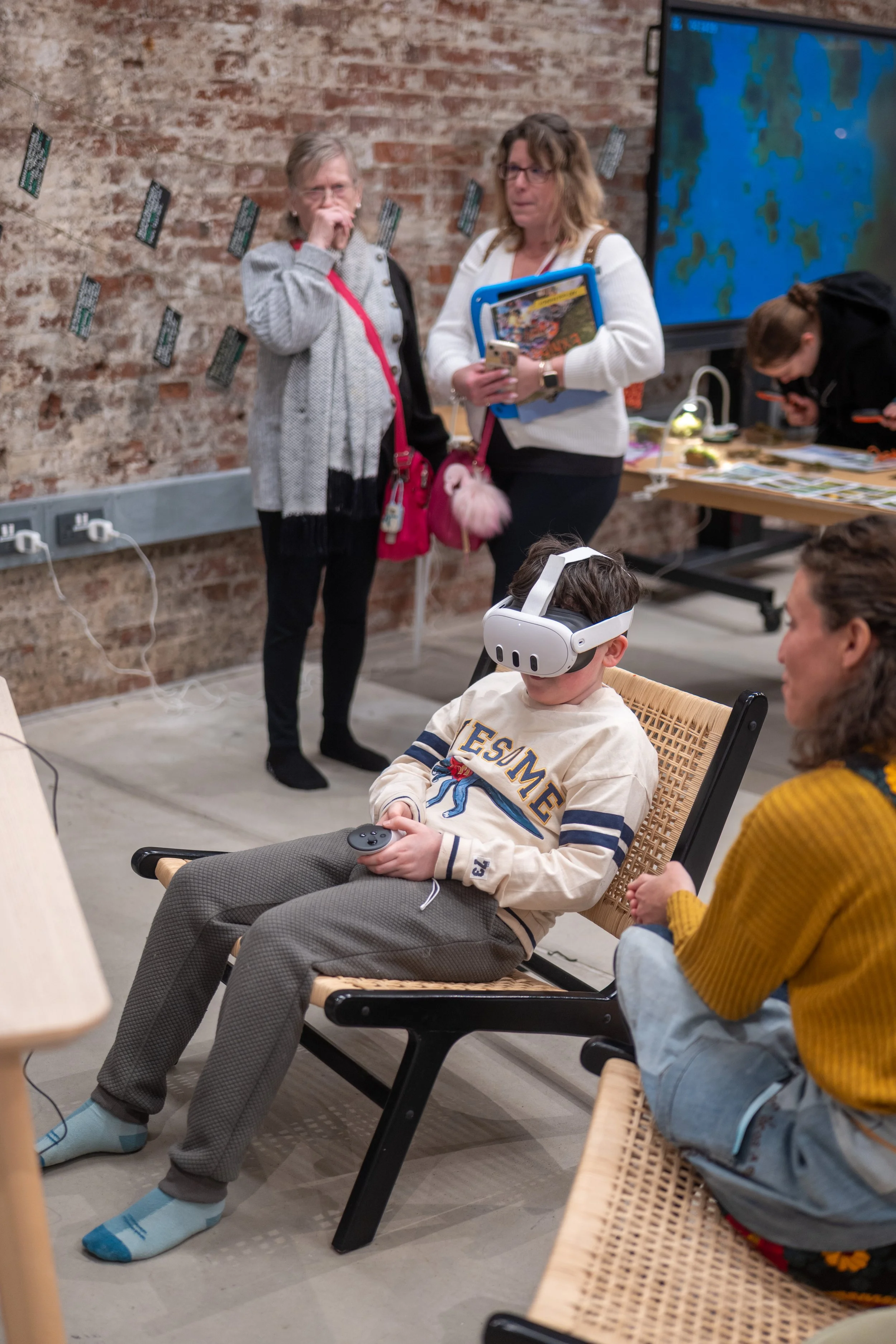
exhibitions and immersive experiences
public conversations
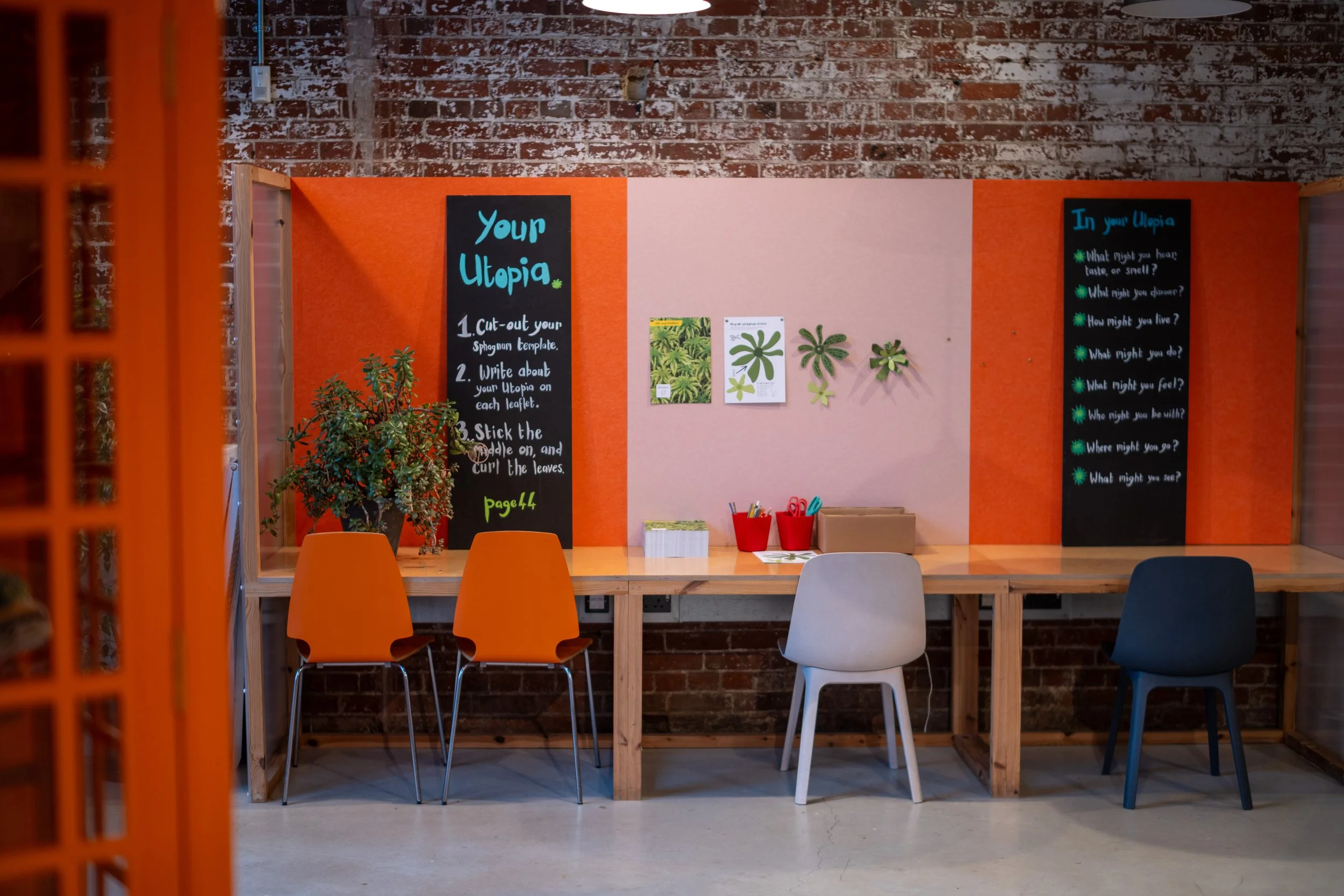
creative reflection spaces
participatory climate engagement activities
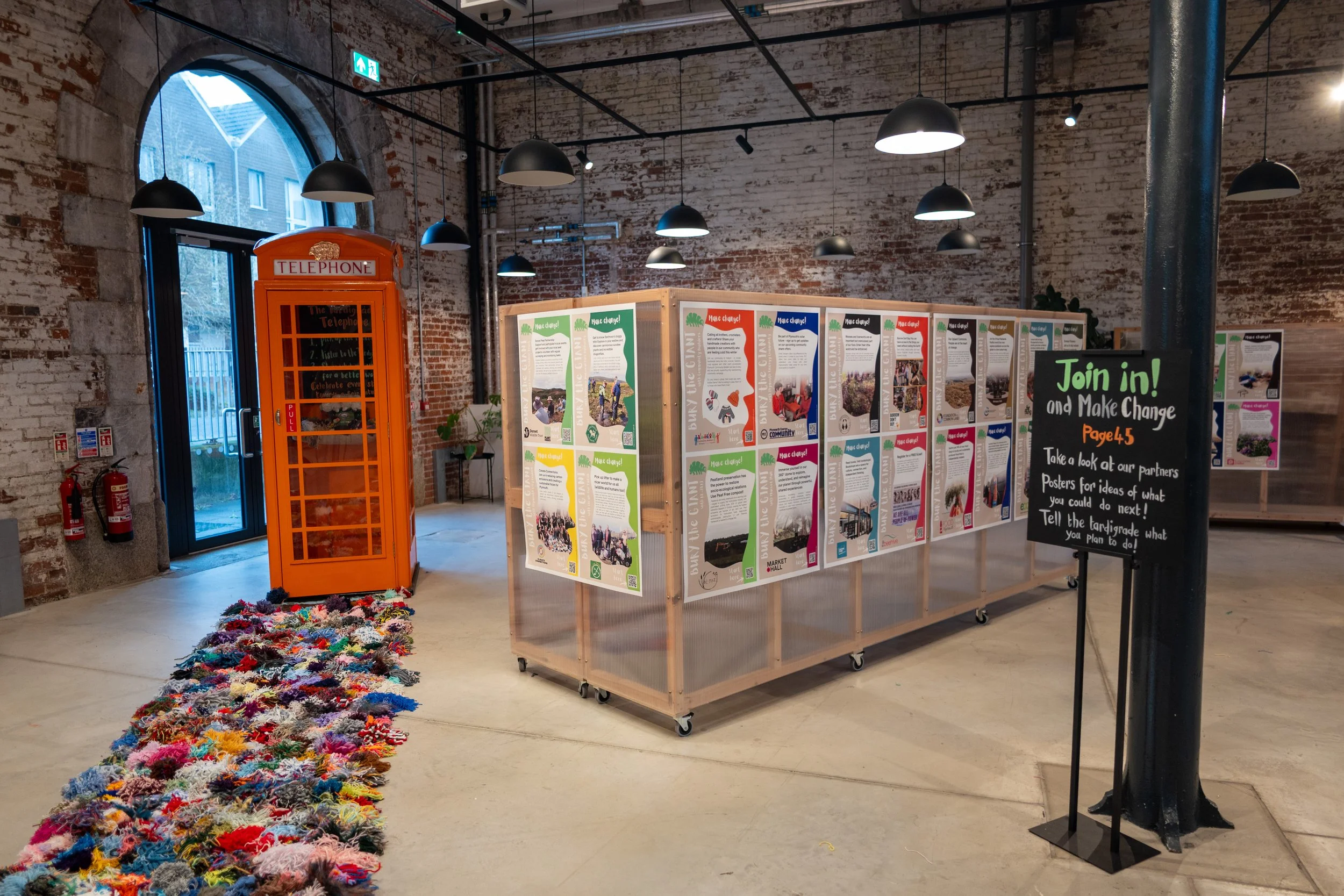
posters and calls to action
publications and printed materials
The intention was not simply to communicate information, but to create spaces where people could participate, reflect, imagine and contribute together.
Over the course of the programme, thousands of people encountered or contributed to the work through festivals, workshops, exhibitions and public events across multiple locations.
Participants were invited to contribute creatively to the growing artwork while also engaging with wider conversations around ecology, restoration, climate transition and collective futures.
The workshops created opportunities for people to slow down, make together and reflect on their relationship to the living world.
The work deliberately resisted purely fear-based approaches to climate communication. Instead, it explored how creativity, participation and shared acts of making might help people develop deeper forms of emotional connection, agency and collective imagination.
Creativity, climate action and collective agency
A central strand of the programme explored the relationship between creativity and climate action.
The work asked:
How might creativity help people feel agency in the face of ecological crisis?
What role does imagination play in times of transition?
How do we remain emotionally connected without becoming overwhelmed?
How can cultural participation support resilience, dialogue and collective care?
The programme explored the idea that climate engagement is not only about information or behaviour change, but also about culture, emotion, participation and shared meaning-making.
Through workshops, conversations, artworks and public participation, the project sought to create experiences that connected creativity with climate action without losing space for playfulness, tenderness, beauty and joy.
Posters, participation and public invitation
The Art and Energy Collective is by design collaborative and supports inclusive climate action accross the whole community.
When participants are inspired by creative acts, they often look for avenues to pursue further engagement and connection. We often hear that people are un-aware of what is happening in their vicinity and this can lead to a sense of lonliness, isolation and overwhelm.
A series of posters and participatory prompts formed part of the programme’s wider exploration of public engagement and creative climate participation.
Rather than prescribing singular answers, these works aimed to invite reflection, dialogue and collective imagination.
They encouraged people to consider their own relationship to ecology, energy, restoration, responsibility and shared futures.
The posters also explored how creative practice might support public participation in climate action by creating invitations rather than instructions.
The Market Hall exhibition
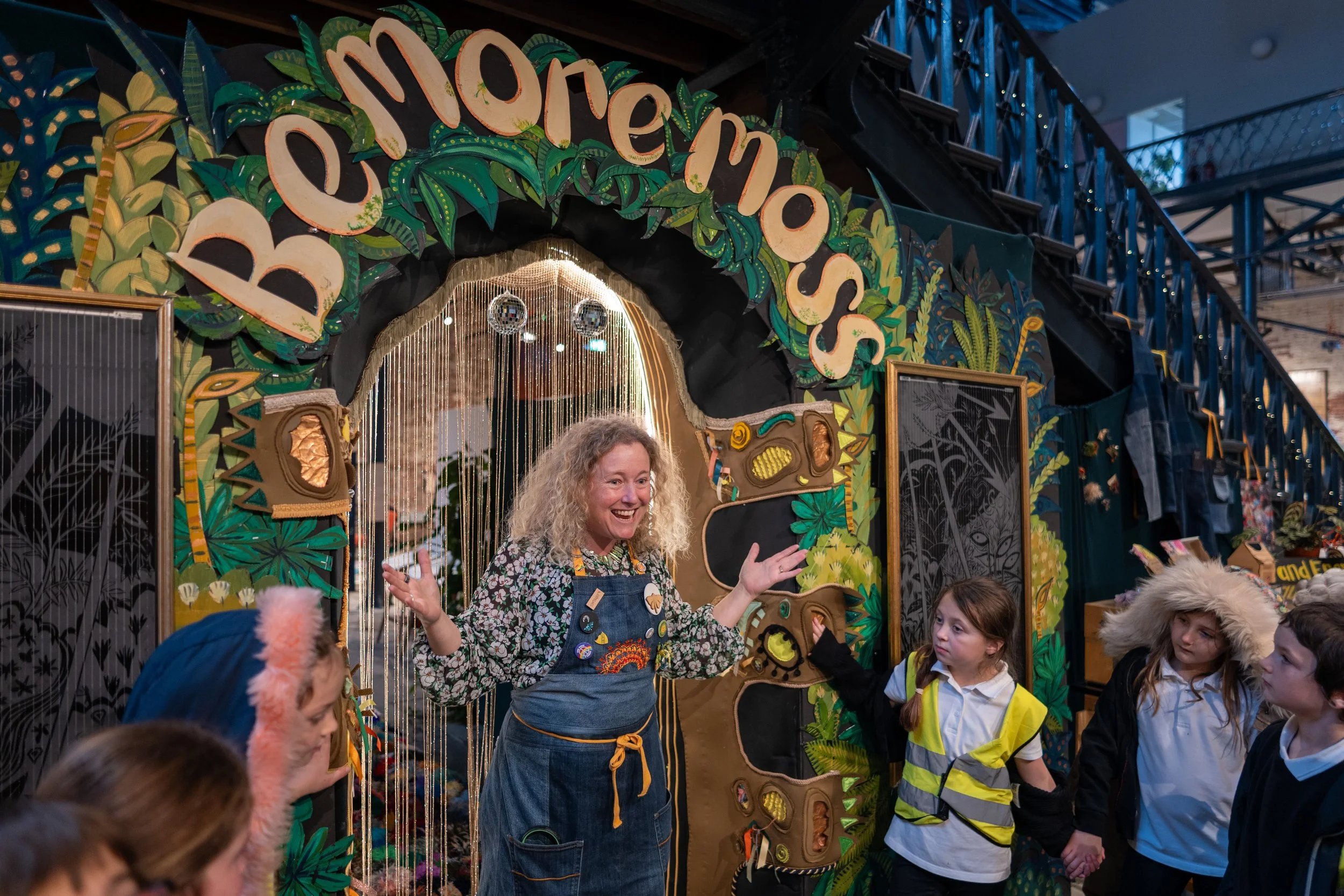
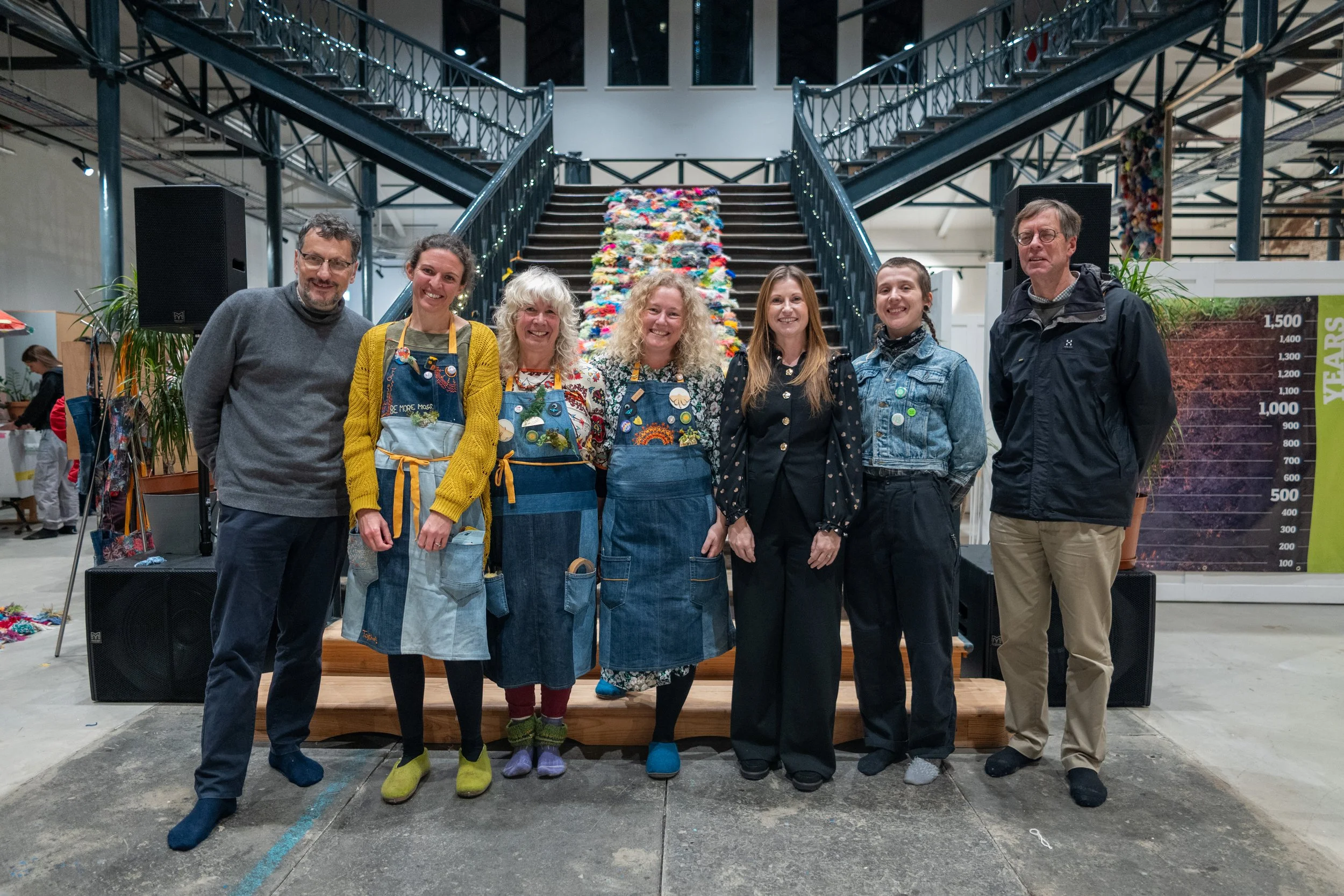
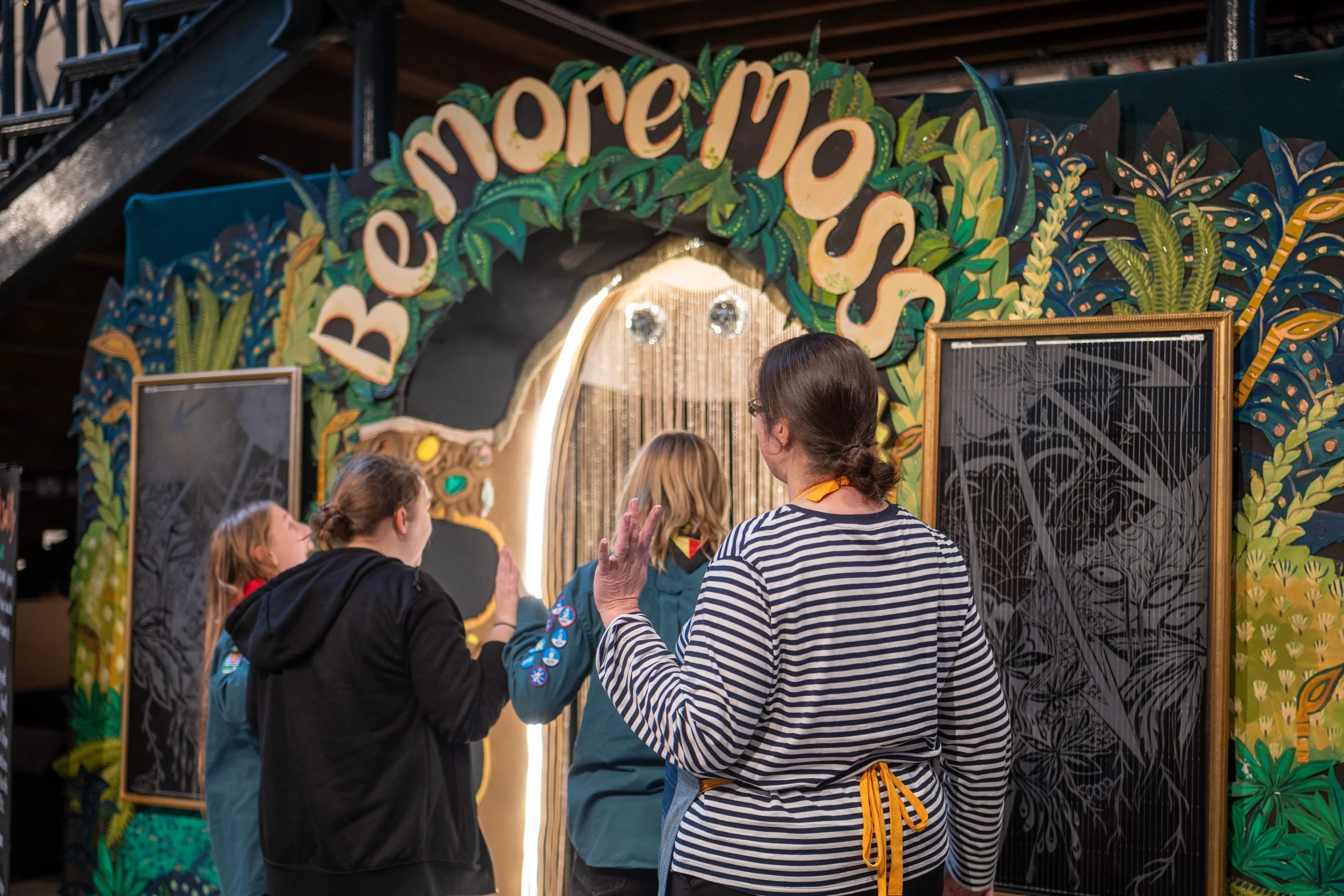
The programme culminated in How to Bury the Giant, an exhibition and public programme at Market Hall.
The exhibition acted as both a reflection on and a summation of eight years of work developed through The Art and Energy Collective.
Bringing together participatory artworks, moss-inspired installations, publications, collaborative works, workshops and public engagement materials, the exhibition invited audiences into a wider exploration of ecology, restoration, energy transition and collective imagination.
Presented within the immersive environment of the Market Hall, the exhibition created space for reflection on ecological grief, restoration, participation and cultural transformation.
It asked visitors to consider not only how societies respond to ecological crisis, but also:
What kinds of relationships, practices and forms of imagination might help us live differently within a damaged and changing world?
Reflections
Since its formation in 2018, The Art and Energy Collective has explored how creativity might support people to remain connected, participatory and imaginative during a time of ecological uncertainty.
The How to Bury the Giant programme suggested that climate engagement is not only about information, but also about culture, emotion, ecology, participation and collective imagination.
Through The Mossy Carpet and the wider programme surrounding it, the work explored the possibility that creativity itself may be an important form of infrastructure for navigating transition, helping people reconnect with each other, with the living world and with their own capacity to participate in change.
The programme was shaped by The Art and Energy Collective’s participatory design framework, Our Compass, which explored how creative processes can support deeper forms of connection, reflection, collaboration and collective agency. The framework informed the development of workshops, participatory experiences and public engagement approaches throughout the programme, helping create spaces where people could encounter climate and ecological questions through creativity, dialogue, making and shared imagination rather than through fear or instruction alone.
Through this work, How to Bury the Giant explored how cultural participation might help people navigate ecological transition while still holding onto playfulness, emotional honesty, beauty, care and collective possibility.